Corporate Retreat Wellness: Elevating Executive Gatherings
The corporate retreat has undergone a quiet transformation. Where once these gatherings focused exclusively on strategy sessions, team-building exercises, and evening networking dinners, a growing number of organisations — particularly in finance, technology, and professional services — now integrate structured wellness programming as a core element of their off-site agendas.
This shift is not driven by trend-following. It reflects a pragmatic recognition that the executives attending these retreats arrive carrying accumulated stress that impairs the very cognitive functions the retreat is designed to activate: creative thinking, collaborative problem-solving, and strategic vision. A chief executive who has slept poorly for weeks, carries chronic tension in their shoulders, and is running on cortisol does not suddenly become their most creative self because the venue has a nice view.
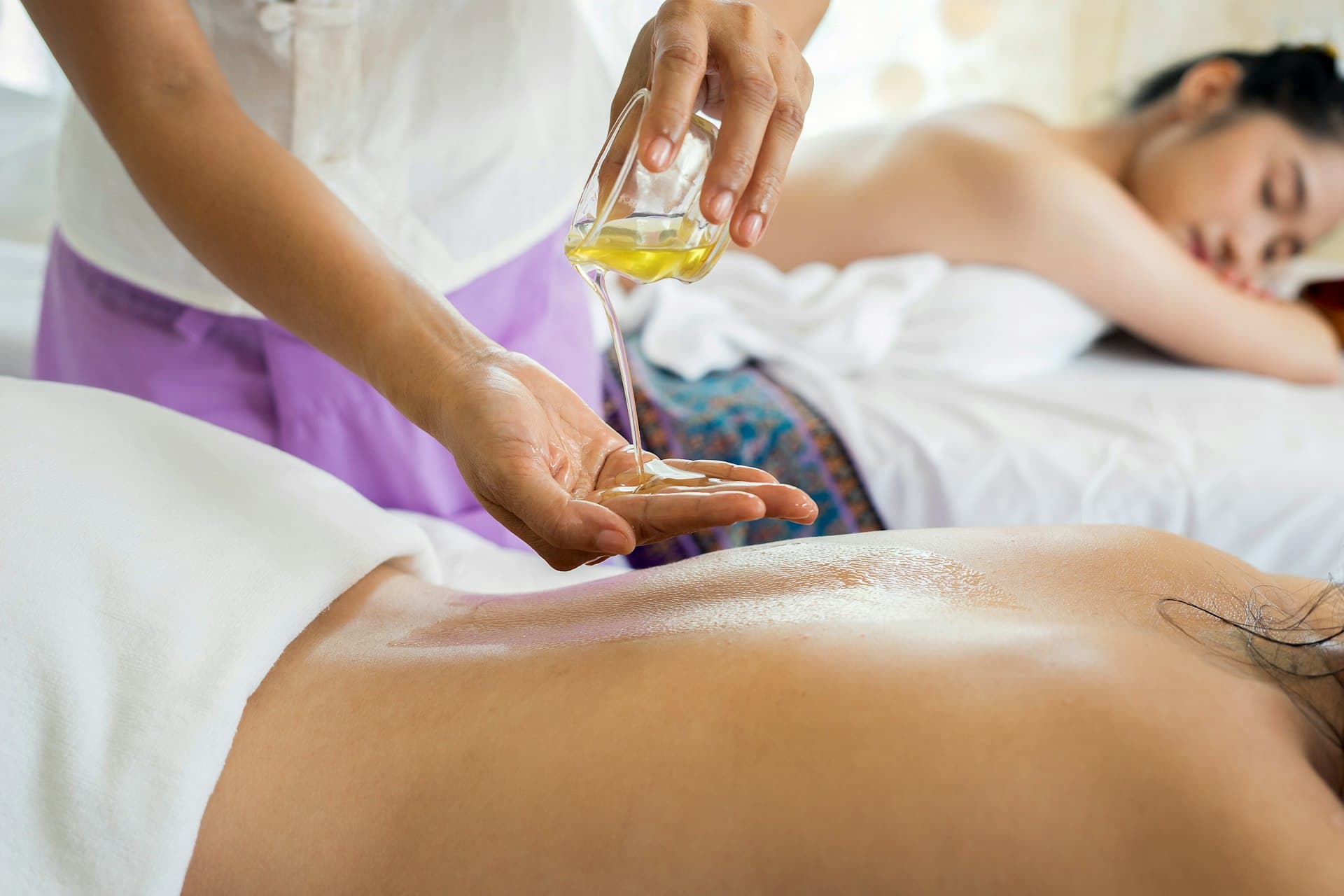
Private wellness, delivered by therapists who understand the dynamics of executive environments, addresses this reality directly.
The Business Case for Retreat Wellness
The evidence is straightforward. A 2024 study from the Global Wellness Institute found that executives who received massage therapy during multi-day retreats reported 34% higher satisfaction with the retreat experience and demonstrated measurably improved engagement in afternoon strategy sessions compared to those who did not. Cortisol levels — the hormone most closely associated with stress-impaired cognitive function — showed significant reduction in participants who received even a single 60-minute treatment.
Beyond the physiological, there is a social dimension. Shared wellness experiences create a quality of interpersonal connection that differs from what is achieved in conference rooms or over dinner. When a leadership team of eight each receives a massage on the same afternoon, the conversation at that evening's dinner carries a different quality — more open, more generous, less guarded. The physical unbinding of tension creates space for the professional unbinding of habitual patterns.
Designing the Wellness Programme
Integration, Not Interruption
The cardinal rule of corporate retreat wellness is that it must integrate with the business agenda, not compete with it. Wellness programming occupies the interstitial spaces: early morning sessions before the first meeting, midday treatments during the lunch break, and evening recovery after the day's formal programme concludes.
We work with the retreat organiser to map the wellness schedule against the business agenda, ensuring that no participant faces a conflict between a treatment booking and a session they are expected to attend. For boards and leadership teams, where every attendee's presence at every session may be critical, this scheduling precision is essential.
Treatment Menu Design
Corporate retreat wellness requires a different menu from a leisure or celebration context. The treatments offered should be:
Efficient: 30-minute and 45-minute options allow busy executives to benefit from treatment without extended time commitments. A targeted back massage addressing the tension patterns created by hours of seated discussion is often more appropriate than a languorous 90-minute full-body treatment.
Performance-oriented: Deep tissue and sports recovery modalities appeal to the executive demographic that views wellness through a performance lens. Framing treatments around cognitive recovery, stress management, and sustained energy resonates more strongly than relaxation-focused language.
Accessible: For groups that include first-time massage recipients (common in corporate settings), seated shoulder-and-neck sessions and chair massage options provide a low-barrier entry point.
Confidentiality Architecture
Corporate retreat wellness carries unique confidentiality requirements. The therapist may work with a CEO and their direct reports in the same afternoon. Physical observations — tension patterns, visible health indicators, personal disclosures made during treatment — must be held in absolute confidence. There is no circumstance under which a therapist would discuss one participant's session with another.
Our therapists who serve corporate environments understand this implicitly. They are trained to maintain social neutrality within the group dynamic, offering the same composed, professional presence to every participant regardless of organisational hierarchy.
Venue Considerations
Corporate retreats typically occupy one of three venue types, each presenting distinct wellness logistics.
Private Villa or Estate
The ideal environment for retreat wellness. A villa offers multiple potential treatment spaces — bedrooms, garden pavilions, pool houses — and the privacy that allows executives to receive treatment without passing through public areas. We recommend dedicating one room exclusively to wellness for the duration of the retreat, equipped with a professional treatment table, appropriate lighting, and a consistent ambient environment.
Luxury Hotel or Resort
When the retreat occupies a hotel, wellness programming can leverage the property's existing spa facilities — but should not rely on them exclusively. The value of private retreat wellness lies in its exclusivity and convenience. We supplement hotel spa availability with dedicated therapists operating from a private treatment room within the group's event space, ensuring that retreat wellness is distinct from the hotel's general spa offerings.
Remote or Unconventional Venues
Some of the most effective retreats occur in locations without established wellness infrastructure — a renovated farmhouse in the Tuscan hills, a Scottish Highland estate, a converted warehouse in Lisbon. For these venues, we provide full equipment transport and setup, creating a professional treatment environment wherever the retreat takes place.
Modalities for Executive Wellness
Stress Recovery
The primary need. Hours of intense discussion, combined with the social demands of group dining and the disrupted sleep patterns that come with unfamiliar beds, create a specific stress profile. Swedish massage provides the foundational relaxation response, while techniques drawn from craniosacral therapy address the nervous system more directly.
Cognitive Renewal
For retreats focused on creative or strategic output, treatments that enhance mental clarity are particularly valued. Shirodhara — the Ayurvedic practice of warm oil flowing over the forehead — produces a profound calming of mental activity that many executives describe as a reset. When scheduled in the late afternoon, it creates a transition between the analytical demands of the day's sessions and the more reflective, relational quality of the evening programme.
Physical Recovery
Executives who maintain active fitness routines often appreciate the opportunity to continue their training during retreats. Sports recovery massage supports this, addressing exercise-induced muscle fatigue and the additional physical load of travel and intensive social engagement.
The Role of the Wellness Lead
For retreats of ten or more participants, we assign a wellness lead — an experienced therapist who serves as the single point of coordination between the retreat organiser and the therapy team. The wellness lead manages scheduling, handles participant requests, adjusts programming in response to the retreat's evolving dynamic, and ensures that the wellness programme enhances rather than complicates the broader event.
This role is particularly important for private residence and villa retreats where there is no venue-based event manager to coordinate logistics. The wellness lead integrates with the household or property staff, managing space usage, linen requirements, and timing with the same discretion and etiquette that characterises all our placements.
Return on Investment
Organisations that incorporate wellness into their retreat programming consistently report higher participant satisfaction, improved retention of strategic decisions made during the retreat, and a stronger team culture in the weeks following. The cost of a professional wellness programme — typically a fraction of the venue, travel, and catering expenditure — delivers measurable value across multiple dimensions.
For organisations that host retreats regularly, establishing an ongoing relationship with a placement service ensures consistency. The same therapists, familiar with the leadership team's preferences and the organisation's culture, deliver an increasingly refined experience at each subsequent gathering.
Frequently Asked Questions
How many therapists do we need for a corporate retreat of fifteen people?
For a group of fifteen with a programme spanning three to four days, we typically deploy two to three therapists working in coordinated shifts. This ensures sufficient availability during peak demand periods (typically late afternoon and evening) while maintaining the personal, unhurried quality that distinguishes private wellness from a conveyor-belt spa experience.
Can wellness programming be arranged for retreats outside the locations you typically serve?
Yes. While we maintain permanent therapist networks in our core locations, we regularly coordinate placement for corporate retreats in destinations outside our standard roster. With eight to twelve weeks' advance notice, we can source, vet, and deploy therapists to virtually any European or Gulf destination.
How do you handle participants who are uncomfortable with massage or bodywork?
We respect individual boundaries without question. Our treatment menu always includes non-massage options — guided breathing sessions, hand-and-arm treatments that require no disrobing, or seated acupressure — that allow every participant to engage with the wellness programme at their comfort level. No participant should ever feel obligated to receive a treatment they are not comfortable with.
Is tipping expected in a corporate retreat setting?
All compensation is arranged in advance with the retreat organiser. Participants should never feel that tipping is expected or required. If an organisation wishes to offer a communal gratuity, this is handled discreetly with the wellness lead after the programme concludes.