Designing a Superyacht Spa: Wellness Sanctuary at Sea
Superyacht spa design is the specialized discipline of integrating professional wellness facilities into marine vessels, requiring expertise in motion management, marine-grade materials, space optimization, and the unique operational demands of life at sea. Luxury Spa Therapists partners with yacht owners, captains, and design firms to create exceptional superyacht wellness experiences—from initial concept through therapist placement and ongoing operational support.
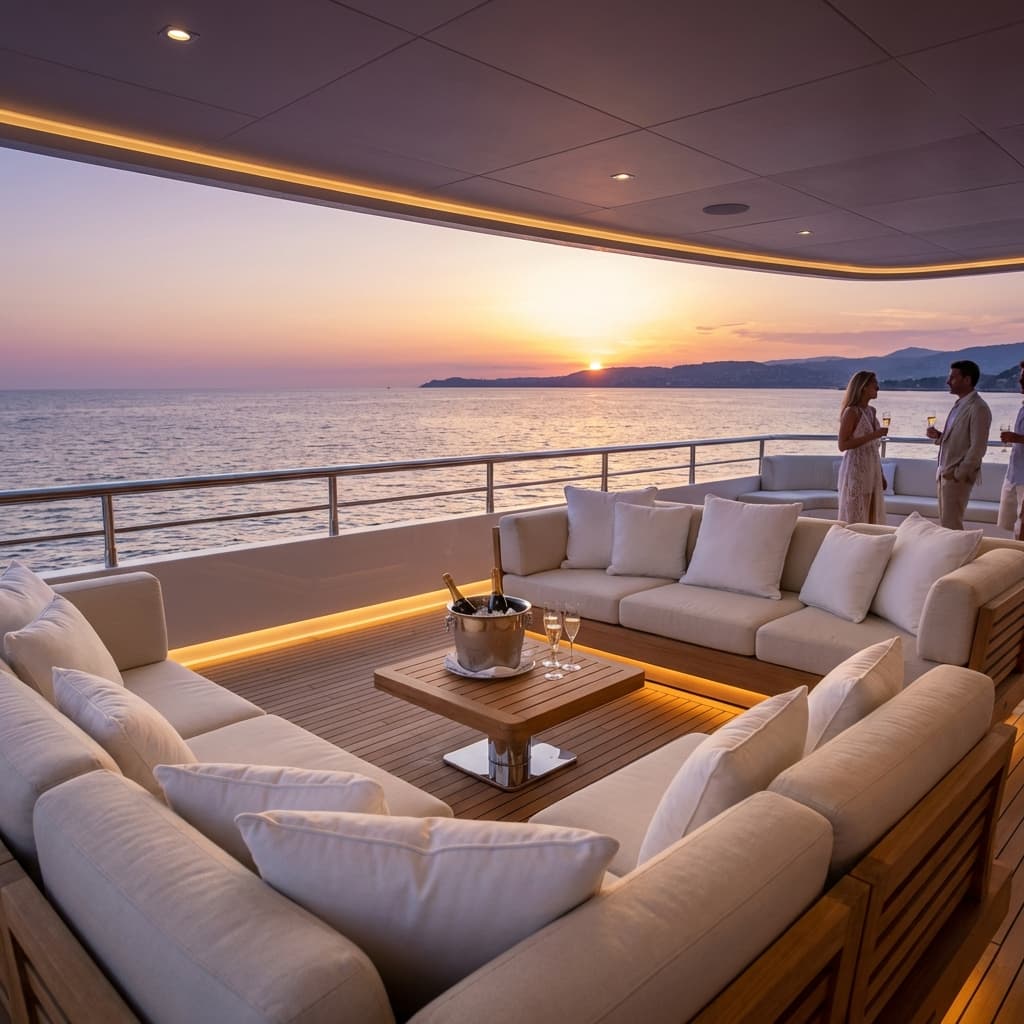
The modern superyacht is no longer merely a vessel for exploration; it is a floating sanctuary, a private world where the boundaries between luxury living and the natural elements dissolve. As owners and charter guests spend longer periods at sea—sometimes months at a time—the demand for comprehensive wellness facilities has evolved dramatically. What was once a simple massage table in a guest cabin has transformed into fully equipped spas that rival the finest land-based resorts.
Having worked with private residences, superyachts, and luxury hotels worldwide, we understand that designing a spa for a superyacht presents unique challenges requiring specialized expertise. The marine environment is unforgiving: constant motion, salt air, space constraints, and the need for absolute reliability demand solutions that are as technically sophisticated as they are aesthetically refined.
The Philosophy of Space at Sea
Space on a yacht is, by definition, precious. Every square meter must serve multiple purposes or justify its existence through exceptional value. A wellness space that merely replicates a land-based spa misses the point entirely. The goal is to create an environment that enhances the experience of being at sea—one that feels expansive, connected to the water, and uniquely marine.
Flow and Transition
The most successful yacht spas are designed with fluid transitions in mind. Consider the journey of a guest from their stateroom to the treatment area. Does the path lead through a series of thresholds that gradually shift the mood—from the social energy of the main salon, through a quiet corridor, into a dimly lit antechamber, and finally into the treatment room itself? Each transition point is an opportunity to deepen relaxation.
We recommend incorporating elements of biophilic design: natural materials (teak, stone, bamboo), water features, and views of the sea wherever possible. Floor-to-ceiling windows that can be opened to merge indoor and outdoor spaces allow the ocean itself to become part of the treatment.
The Indoor-Outdoor Connection
Some of the most memorable wellness experiences on yachts occur not in enclosed rooms, but on deck. A massage performed in the open air, shaded by a retractable awning, with the sound of waves and the scent of salt—this is something no land-based spa can replicate.
We advise our clients to invest in high-quality outdoor treatment furniture that can withstand the marine environment: stainless steel frames, marine-grade fabrics, and quick-drain surfaces. Privacy screens or adjustable curtains allow for open-air treatments without compromising discretion—a value we emphasize across all our placement services.
Technical Considerations for Marine Wellness
Stability and Motion Management
The human body is acutely sensitive to motion, and this has significant implications for spa design. Treatments that involve lying down—which is most of them—can become uncomfortable or even nauseating if the vessel is rolling. While stabilizer systems have improved dramatically, they cannot eliminate motion entirely.
Our approach involves several mitigation strategies:
-
Location on the vessel: The spa should ideally be positioned near the center of mass of the yacht, where motion is least pronounced. Lower decks experience less pitching (fore-aft motion), while the beam center minimizes rolling (side-to-side motion).
-
Adjustable treatment tables: Hydraulic tables that can tilt slightly to counteract the vessel's motion help maintain guest comfort.
-
Fixed points of reference: Large windows with clear views of the horizon give the brain consistent visual input, reducing the disconnect between the vestibular system (inner ear balance) and visual perception that causes seasickness.
Materials and Finishes
Salt air, humidity, and the vibrations of a moving vessel take a toll on materials. Standard spa finishes—porous stones, delicate woods, fabrics that absorb moisture—can deteriorate rapidly in the marine environment.
We recommend:
- Teak and marine-grade hardwoods: These species are naturally resistant to moisture and salt.
- Non-porous surfaces: Quartz, engineered stone, or sealed natural stone for countertops and wet areas.
- Stainless steel and bronze hardware: Corrosion-resistant metals that maintain their luster over time.
- Performance fabrics: Sunbrella and similar outdoor-rated textiles for cushions and drapes.
All materials should be sourced from marine-specific suppliers who understand the demands of the environment.
Plumbing and Drainage
Water management on a yacht is fundamentally different from land-based buildings. Fresh water is a finite resource (unless desalinization is available), and all wastewater must be properly contained and disposed of.
Spa features that consume significant water—rain showers, hydrotherapy tubs, steam rooms—must be designed with efficiency in mind. We often recommend:
- Low-flow fixtures that maintain pressure sensation while reducing consumption.
- Gray water recycling for non-potable uses.
- Contained steam rooms with proper condensation management to prevent moisture damage.
Drainage must be robust enough to handle the vessel's motion without allowing water to pool unexpectedly.
Therapist Accommodation and Workspace
A crucial and often overlooked aspect of superyacht spa design is the therapist's working environment. Attracting and retaining exceptional talent for seasonal charters or permanent positions requires more than competitive compensation—it demands a workspace conducive to professional excellence.
Crew Quarters
On larger yachts, dedicated spa therapists may reside on board for extended periods. Their living quarters should offer:
- Adequate privacy and personal space: A therapist who is well-rested and comfortable provides better treatments.
- Access to natural light: Crew areas are often below decks; skylights or portholes dramatically improve quality of life.
- Climate control: Independent temperature and humidity controls allow customization for personal comfort.
Back-of-House Facilities
Behind the guest-facing spa areas, there must be sufficient space for:
- Equipment storage: Heated stones for Hot Stones Massage, towels, linens, oils, and modality-specific tools.
- Laundry facilities: Fresh linens for each treatment are non-negotiable at the luxury level.
- Preparation areas: A counter for blending oils, heating products, and staging treatments.
These areas do not need to be large, but they must be thoughtfully organized and easily accessible from the treatment rooms.
Equipment Selection for Marine Environments
The equipment installed in a yacht spa must meet rigorous standards for both performance and durability. We advise against consumer-grade products; only professional-quality equipment designed for commercial or marine use should be considered.
Treatment Tables
Invest in hydraulic tables from reputable manufacturers (Oakworks, Earthlite Marine, or custom fabricators). Key features include:
- Electric lift mechanisms for height adjustment without manual effort.
- Locking casters that secure the table in place during treatments.
- Removable, washable covers in performance fabrics.
- Face cradles and bolsters designed for extended comfort.
Wet Areas
If the yacht includes a hydrotherapy tub, steam room, or sauna, these installations require marine-specific engineering. Heat and humidity are corrosive forces, and improper installation can lead to structural damage, mold, and safety hazards.
We recommend consulting with specialist marine spa designers who have a track record of successful installations on similar vessels.
Technology Integration
Modern superyachts are highly networked environments, and the spa should integrate seamlessly with the vessel's systems:
- Lighting control: Dimmable, color-temperature-adjustable fixtures that can shift from energizing daylight to warm, sedative ambiance.
- Audio systems: Multi-zone speakers that allow different music in the treatment room, relaxation area, and outdoor deck.
- Climate management: Precise temperature and humidity controls linked to the yacht's HVAC system.
- Booking and management: Digital systems for scheduling treatments, managing inventory, and communicating with guests.
Staffing Strategies: The Human Element
Ultimately, the most beautiful spa is only as good as the therapists who work within it. Our network has been refined through hundreds of successful placements, and we understand the unique requirements of attracting exceptional talent to yacht positions.
Seasonal vs. Permanent Placement
Some yachts operate year-round, while others are active only during specific charter seasons (Mediterranean summer, Caribbean winter). The staffing model must align with operational realities:
- Permanent therapists: Ideal for owner-operated yachts or those with year-round charter schedules. Provides consistency and deep familiarity with the vessel and guests.
- Seasonal contracts: Suitable for yachts with defined active seasons. Allows access to a rotating roster of talent and fresh perspectives.
- On-call specialists: For shorter charters or specific guest requests, a network of therapists who can join the vessel at port provides flexibility.
Our superyacht placement services specialize in all three models, ensuring the right therapist is available for each unique situation. Each therapist in our network demonstrates advanced certification and continuous professional development.
Onboarding and Protocols
Every yacht has its own culture, routines, and expectations. A new therapist—no matter how skilled—requires orientation to integrate smoothly into the vessel's operations:
- Service protocols: How treatments are offered, scheduled, and confirmed.
- Guest preferences: Allergies, pressure preferences, scheduling habits.
- Crew dynamics: Understanding the hierarchy and communication channels on board.
- Emergency procedures: Safety briefings, man-overboard protocols, and first aid responsibilities.
We provide comprehensive onboarding support to ensure that every therapist we place is fully prepared to deliver exceptional service from day one. Learn more about our rigorous standards and what sets our placement process apart.
Case Study: A 60-Meter Motor Yacht
To illustrate these principles in action, consider a recent project we consulted on—a 60-meter motor yacht undergoing a refit with the goal of adding a dedicated wellness area.
The original layout allocated a small cabin on the lower deck for occasional massage services. Our redesign proposed:
- Relocating the spa to a full-beam space amidships, creating a 25-square-meter treatment room with panoramic windows.
- Adding an outdoor treatment deck aft, with privacy screens and all-weather furniture.
- Installing a compact steam room adjacent to the treatment room, with proper marine-grade construction.
- Creating a therapist's workspace nearby, with storage, laundry access, and a small preparation counter.
The result: a wellness facility that rivals a boutique hotel spa, seamlessly integrated into the yacht's overall design language, and fully operational in even challenging sea conditions.
Treatment Considerations for Maritime Environments
Certain treatments are particularly well-suited to the yacht environment, while others require adaptation:
- Thai Massage: Performed on a floor mat, this modality is less affected by table motion and can be adapted to various spaces.
- Shiatsu Massage: The firm, rhythmic pressure of shiatsu works well at sea, grounding the recipient.
- Hot Stones Massage: Requires stable conditions; best performed in calm waters or at anchor.
- Lymphatic Drainage: Excellent for guests experiencing fluid retention from travel or extended time at sea.
- Facial Treatments: The marine environment can be harsh on skin; hydrating facials are particularly valued.
Conclusion: Wellness as a Voyage
Designing a superyacht spa is not merely a construction project—it is the creation of a space where guests can reconnect with themselves, even as they voyage across open oceans. It requires a synthesis of marine engineering, interior design, wellness expertise, and an understanding of the particular psychology of luxury travel.
At Luxury Spa Therapists, we bring together all of these elements. From initial concept through equipment selection, therapist placement, and ongoing operational support, we partner with owners, captains, and design firms to create wellness experiences that are as extraordinary as the vessels themselves.
The sea has always been a place of restoration and renewal. With the right design, your yacht becomes not just a way to travel, but a destination in itself—a floating sanctuary where every wave carries you closer to well-being.
Explore how our placement process works or view our complete pricing structure to begin.
Frequently Asked Questions
What treatments work best on a moving yacht?
Treatments that work with rather than against motion are ideal. Thai Massage performed on floor mats, Shiatsu with its grounding pressure, and Reflexology are excellent choices. Treatments requiring complete stillness, like Shirodhara, are best performed at anchor.
How do you source therapists for superyacht positions?
Our network includes therapists specifically experienced in maritime environments, vetted for discretion, professional boundaries, and the unique etiquette of yacht service. We assess their ability to adapt to confined spaces, irregular schedules, and the close-quarters crew dynamic inherent to yacht life.
What certifications should a yacht spa therapist have?
Beyond core massage certifications, ideal candidates hold maritime safety certifications (STCW), food hygiene certificates (if providing wellness cuisine guidance), and specialized training in treatments suited to marine environments. First aid certification is essential.
Can you help with yacht spa design, or only therapist placement?
We provide consultation on both. While we specialize in therapist placement, our experience informs design recommendations for equipment, space planning, and operational workflow. We often collaborate with yacht designers and refit specialists.
What is the difference between seasonal and permanent yacht therapist placement?
Permanent placement suits yachts operating year-round, providing consistency for owners and guests. Seasonal placement aligns with charter seasons (Mediterranean summer, Caribbean winter), allowing flexibility and fresh perspectives. Both are priced at $49,000—view our pricing page for details.
How long does the yacht therapist placement process take?
From initial consultation to placement typically requires 4-8 weeks, depending on specific requirements and yacht schedule. We recommend initiating the process well before your charter season begins to ensure adequate trial sessions and onboarding.
Do yacht therapists need to have sailing experience?
While prior yacht experience is advantageous, it's not required. We prioritize therapeutic excellence and professional demeanor. Comprehensive onboarding covers maritime protocols, safety procedures, and adaptation to life at sea.
How do you ensure discretion on charter yachts with rotating guests?
All therapists in our network sign comprehensive confidentiality agreements and are vetted for discretion as part of our selection standards. They understand that guest privacy is paramount, particularly on charter vessels where clientele may include high-profile individuals.
For consultations on superyacht spa design or therapist placement, contact us or connect via WhatsApp at +9613880808.
Request a private introduction to our maritime wellness specialists.