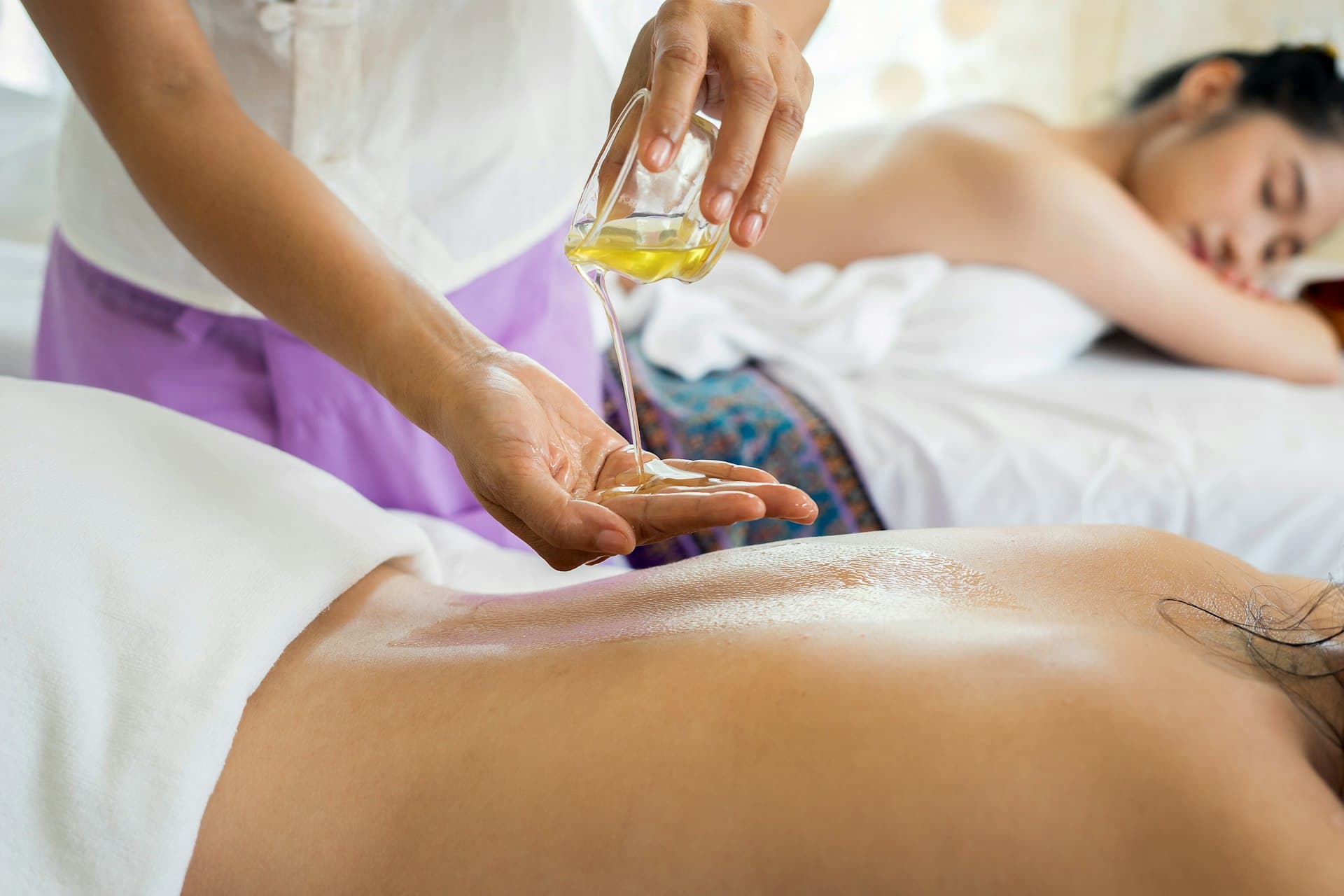
Sound Healing and Massage: Combining Modalities for Deep Restoration
The integration of sound healing with therapeutic massage represents one of the most compelling developments in private wellness. Where a conventional massage session engages the musculoskeletal system through manual technique, a combined sound-and-touch treatment addresses the nervous system through two pathways simultaneously — creating a depth of relaxation that neither modality achieves alone.
This is not a new concept. The use of sound in healing contexts predates recorded history, from the didgeridoo ceremonies of Aboriginal Australians to the singing bowl traditions of Tibetan monasteries. What is new is the systematic integration of these acoustic tools into structured massage protocols, informed by contemporary understanding of how sound waves interact with human physiology.
The Science of Sound and the Body
Sound is vibration, and the human body is approximately 60% water — a highly efficient conductor of vibrational energy. When a singing bowl is placed on or near the body and struck, the resulting vibration travels through tissue, fluid, and bone with measurable physical effect.
Research published in the Journal of Evidence-Based Integrative Medicine has documented that Tibetan singing bowl sessions produce significant decreases in systolic blood pressure, heart rate, and tension-anxiety scores. The mechanism appears to involve the entrainment of brainwave activity: the low-frequency vibrations of singing bowls (typically between 100-900 Hz) encourage the brain to shift from beta-wave dominance (alert, analytical) toward alpha and theta states (relaxed, meditative).
When this neurological shift is combined with the parasympathetic activation produced by skilled massage therapy, the result is a compounding effect. The body enters a state of deep restoration that clients frequently describe as unlike any single-modality treatment they have experienced.
Instruments Used in Combined Sessions
Tibetan Singing Bowls
The most widely used instrument in sound-massage integration. Hand-hammered bowls of varying sizes produce fundamental tones with rich overtone harmonics. Smaller bowls (higher frequency) are typically placed on or near the upper body, while larger bowls (lower frequency) address the lower body and grounding. During a combined session, the therapist may place a bowl on the client's sacrum or abdomen and strike it gently while simultaneously working the shoulders or neck — the vibration and manual pressure creating complementary waves of release.
Tuning Forks
Precision instruments that produce a single, pure frequency. Therapeutically, weighted tuning forks (typically at 128 Hz or 256 Hz) are applied to specific points on the body — often acupressure points or areas of fascial restriction. The focused vibration penetrates deeply into tissue, loosening adhesions and stimulating circulation in ways that complement the broader strokes of massage. Tuning forks are particularly effective for addressing jaw tension (TMJ), plantar fasciitis, and localised areas of chronic pain.
Crystal Singing Bowls
Made from quartz crystal, these produce a pure, sustained tone that fills a treatment space with remarkable clarity. They are typically played in the ambient field rather than placed on the body, creating an acoustic environment that supports the massage work. The sustained resonance of crystal bowls is effective for maintaining the client's meditative state during transitions between body regions.
Gongs
Less commonly integrated into massage due to their volume and intensity, gongs are occasionally used in private residence settings where a dedicated treatment room can accommodate their sound. A gong bath — where the client lies still while waves of gong sound wash over them — can serve as a powerful opening or closing to a massage session.
Structuring a Combined Session
A well-designed sound-massage session follows a deliberate arc. The Luxury Spa Therapists approach to combined modality work emphasises smooth transitions and intentional layering rather than the random introduction of instruments.
Opening Phase (10-15 minutes)
The session begins with sound alone. The client lies still while the therapist introduces singing bowls or crystal bowls, allowing the acoustic vibration to settle the nervous system before any physical contact. This phase serves the same function as a musical overture — it establishes the tone, invites the client's attention inward, and begins the neurological shift toward parasympathetic dominance.
Integration Phase (40-60 minutes)
The central portion of the session weaves manual massage technique with periodic sound interventions. The therapist may work a full Swedish or Balinese sequence while pausing at key moments to introduce a singing bowl placed on the body or a tuning fork applied to a point of restriction. The art is in the timing — the sound should feel like a natural extension of the touch, not an interruption.
Closing Phase (10-15 minutes)
The session resolves with diminishing sound — gradually softer bowl strikes, longer silences between tones — while the therapist performs light, grounding touch on the feet, hands, or head. This phase ensures that the client returns to waking awareness gradually, preserving the depth of relaxation achieved during the session.
The Private Residence Advantage
Sound-massage integration is particularly well-suited to the private residence setting. Hotel spas, with their shared walls and standardised room dimensions, impose acoustic limitations that constrain the use of singing bowls and especially gongs. In a private home, the therapist can select a treatment space with favourable acoustics — high ceilings, natural materials, minimal hard reflective surfaces — that amplify the therapeutic effect of sound instruments.
The privacy of a home environment also removes the self-consciousness that some clients feel in semi-public spa settings. Sound healing can evoke unexpected emotional release — tears, spontaneous movement, vocal expression — that clients may suppress in a hotel context but welcome in the intimacy of their own residence.
Furthermore, the cumulative benefit of regular sound-massage sessions is significant. When a placed therapist delivers this modality weekly over months, the client's nervous system develops an increasingly efficient relaxation response. The opening bowl strike becomes a Pavlovian cue for the body to begin its descent into parasympathetic rest, accelerating the therapeutic benefit of each subsequent session.
Selecting a Therapist for Combined Modality Work
Not every skilled massage therapist is equipped to deliver sound healing integration. The additional training requires both technical proficiency (understanding instrument selection, frequency interaction, and acoustic principles) and a refined sensitivity to the client's response. A singing bowl struck at the wrong moment or at inappropriate volume can jar the client out of relaxation rather than deepening it.
Our vetting process for therapists offering combined modality work includes assessment of their training lineage in sound healing, their practical demonstration of integration technique, and their ability to read the client's state and adjust accordingly. We seek therapists who treat sound as a precision tool rather than a decorative addition.
Who Benefits Most
Combined sound-massage therapy is particularly effective for clients experiencing:
- Chronic stress and executive burnout: The dual-pathway relaxation response reaches levels of nervous system reset that massage alone may not achieve in a single session.
- Insomnia and sleep disorders: The brainwave entrainment toward theta states directly supports improved sleep architecture in the hours following treatment.
- Anxiety and emotional processing: The vibrational component can release held tension in the diaphragm, jaw, and hip flexors — areas where emotional stress commonly manifests.
- Post-travel recovery: When combined with lymphatic drainage techniques, sound-massage integration accelerates the recalibration of circadian rhythms disrupted by long-haul travel.
Frequently Asked Questions
Is sound healing massage suitable for everyone?
Sound-massage integration is appropriate for most adults. However, it is generally contraindicated during the first trimester of pregnancy, for individuals with epilepsy or seizure disorders, those with pacemakers (due to vibrational resonance near the chest), and anyone with acute mental health crises. A qualified therapist will conduct a thorough intake assessment before the first session.
How does a combined session differ from receiving a regular massage with background music?
The distinction is fundamental. Background music is a passive environmental element. Sound healing involves the deliberate, therapeutic application of specific frequencies and vibrations to the body — either through direct contact with instruments placed on tissue or through close-proximity acoustic resonance. The physiological effects are measurable and distinct from ambient sound.
How many sessions before noticing a difference?
Many clients report a profound shift after a single session. However, the cumulative neurological benefit — particularly for chronic stress, insomnia, or anxiety — typically becomes evident after three to four weekly sessions. The nervous system's conditioned relaxation response strengthens with repetition, making each successive session more efficient.
What should I wear or prepare for a sound-massage session?
Wear comfortable, non-restrictive clothing — or undress as you would for a standard massage session. The therapist will advise based on whether instruments will be placed directly on the body. Avoid caffeine for at least two hours before the session, and plan for quiet time afterward rather than returning immediately to high-stimulation activities.