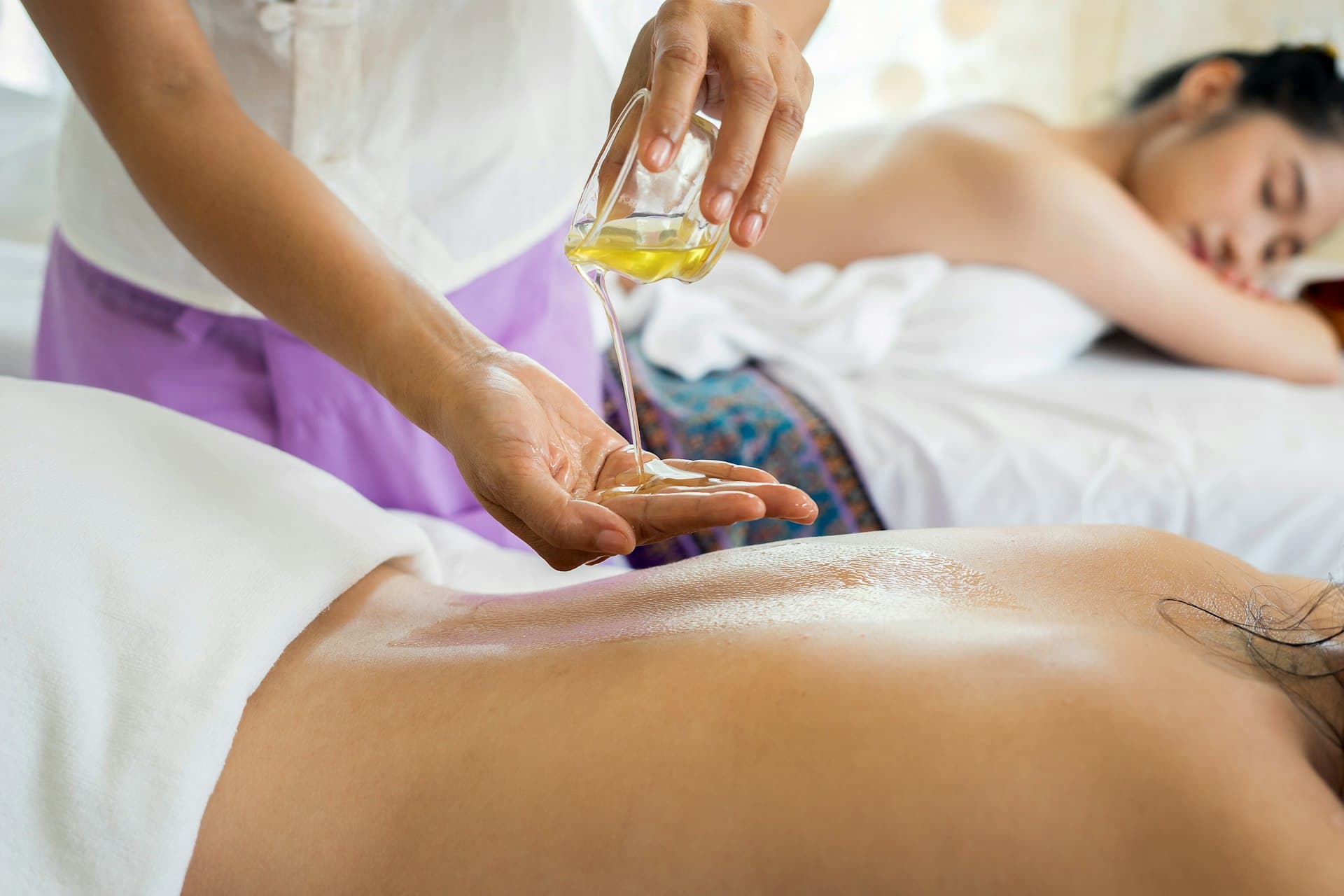
Reflexology: Precision Points for Total Wellness in Private Settings
Reflexology is a focused therapeutic technique that applies precise pressure to specific points on the feet, hands, and ears that correspond to organs and systems throughout the body. Rooted in the principle that the body's entire architecture is mapped across these extremities, the treatment works through neurological pathways rather than muscular manipulation — making it one of the most accessible yet profoundly effective modalities available in private wellness. Luxury Spa Therapists introduces reflexology specialists who bring refined technique and the composure required for intimate home environments, whether a principal's private residence, a seasonal villa, or a superyacht cabin mid-charter. In these settings, reflexology gains a dimension unavailable in clinical or spa contexts — continuity, privacy, and the freedom to integrate sessions into the natural rhythm of a household.
What makes reflexology particularly suited to private environments is its minimal logistical footprint. There is no massage table to assemble, no oil to manage, no need for the client to undress. A comfortable chair, a footrest, and a skilled pair of hands are sufficient. For clients who value both their time and their privacy, this simplicity is not a limitation — it is the treatment's defining advantage.
How Reflexology Works: The Reflex Map
The human foot contains over 7,000 nerve endings, and reflexology theory holds that these are organized into zones that mirror the body's internal anatomy. The right foot corresponds broadly to the right side of the body; the left foot to the left. The ball of the foot maps to the chest and lung area, the arch to the digestive organs, and the heel to the pelvic region and lower back. The toes correspond to the head, sinuses, and brain.
A trained reflexologist reads these maps with their fingertips, applying sustained thumb-and-finger pressure in small, deliberate movements across each zone. Unlike the long, flowing strokes of a Balinese massage or the broad compression of deep tissue work, reflexology operates in millimetres. The pressure is firm but targeted — directed at crystalline deposits and areas of tension within the reflex points that indicate congestion or imbalance in the corresponding organ or system.
The physiological mechanism is both neurological and circulatory. Pressure applied to a reflex point sends a signal through the peripheral nervous system to the central nervous system, which in turn modulates function in the corresponding area of the body. Simultaneously, the manipulation improves local blood and lymphatic circulation, helping to clear metabolic waste from the tissues. Peer-reviewed research published in the Journal of Traditional and Complementary Medicine has documented measurable reductions in pain perception, cortisol levels, and blood pressure following reflexology sessions — effects that extend well beyond the feet themselves.
Why Reflexology Is Not a Foot Massage
This distinction matters, and experienced practitioners are particular about it. A foot massage addresses the muscles, tendons, and connective tissue of the foot itself — relieving tension, improving mobility, and producing localised relaxation. It is pleasant and beneficial, but its therapeutic scope is limited to the foot.
Reflexology, by contrast, uses the foot as an access point to the body's broader systems. The therapist is not working on the foot; they are working through it. The pressure patterns, the sequencing of zones, and the specific techniques employed — caterpillar walking, hook-and-back-up, rotation-on-a-point — are designed to influence organs and functions far removed from the point of contact. A session that focuses on the adrenal and kidney reflex points, for example, targets the endocrine system's stress response. Work on the solar plexus point addresses anxiety and diaphragmatic tension.
This precision is why reflexology requires dedicated training beyond general massage certification. A therapist may be exceptional at Thai massage or lymphatic drainage and still lack the anatomical knowledge of reflex mapping that genuine reflexology demands. Our selection standards evaluate reflexology as a discrete competency, assessing the therapist's ability to locate and interpret reflex points with accuracy and consistency.
Who Benefits Most from Reflexology
Executives and High-Cognitive-Load Professionals
Reflexology's neurological effects make it particularly relevant for individuals whose daily lives involve sustained mental exertion. The treatment's capacity to downregulate the sympathetic nervous system — shifting the body from a stress-dominant state into parasympathetic recovery — produces a clarity that many clients describe as a cognitive reset. Unlike a full-body massage, which can leave some individuals feeling drowsy or disconnected, reflexology tends to produce alert relaxation: a calm mind paired with a sense of physical lightness.
For principals who schedule back-to-back commitments, a 45-minute reflexology session between meetings offers meaningful restoration without the recovery time that deeper bodywork requires. The client remains fully clothed, transitions seamlessly back into their day, and carries the neurological benefits for hours afterward.
Clients Who Prefer Non-Disrobing Treatments
Not every client is comfortable undressing for a massage, regardless of the therapist's professionalism or the setting's privacy. Reflexology eliminates this consideration entirely. The treatment requires access only to the feet — and in some protocols, the hands and ears. For clients from cultures where modesty governs wellness preferences, or for those who simply prefer to remain dressed, reflexology provides a path to therapeutic benefit without the vulnerability that full-body treatments involve.
Frequent Travellers and Jet Lag Recovery
Air travel compresses circulation, disrupts sleep rhythms, and triggers the kind of systemic sluggishness that reflexology addresses with particular efficiency. Working the kidney and adrenal reflex points supports the body's fluid regulation and stress hormone recalibration. Attention to the head and sinus zones can relieve the congestion and pressure changes caused by cabin altitude. A reflexology session within hours of landing — easily arranged in a private residence where the therapist is already present — complements the broader post-flight recovery protocols that regular travellers rely upon.
Reflexology on Yachts and in Travel Settings
Few treatments adapt to maritime environments as naturally as reflexology. On a superyacht, where space is finite and conditions at sea are variable, reflexology's minimal equipment requirements and seated format make it viable even on days when swell or passage conditions would prevent a conventional massage session.
The stability challenge that wave motion presents to a therapist performing full-body work on a treatment table is largely eliminated when both practitioner and client are seated. The therapist's hands remain in constant contact with the feet, providing a grounded, controlled treatment that does not require the spatial adjustments or balance corrections that Mediterranean charter conditions can impose on other modalities. Guests who experience motion sensitivity — and who may therefore avoid bodywork at sea — often find reflexology not only tolerable but actively soothing, as the treatment's parasympathetic activation can reduce the nausea response itself.
For yacht wellness programs, reflexology also serves as an ideal introduction when a guest is unfamiliar with the onboard therapist. A 45-minute foot treatment carries less perceived intimacy than a full-body massage, allowing the client to experience the therapist's skill, presence, and professionalism before committing to more involved modalities. This mirrors the trial session approach that our placement process recommends on land.
Session Structure and Duration
A standard reflexology session runs 45 to 60 minutes, though 90-minute extended sessions allow for comprehensive work across feet, hands, and ears in a single appointment.
Intake and assessment. The therapist begins with a brief consultation — current health concerns, areas of tension or discomfort, sleep quality, and any medical conditions relevant to treatment. First-time clients receive a more detailed intake covering medical history and specific therapeutic goals.
Warm-up phase. Gentle manipulation of the foot — stretching, rotation of the ankle, broad thumb strokes across the sole — prepares the tissue and establishes the client's pressure tolerance. This phase also allows the therapist to begin reading the foot's landscape, noting areas of sensitivity or crystalline buildup that will receive focused attention.
Systematic zone work. The therapist progresses through the reflex map methodically, beginning with the toes (head and brain zones) and moving toward the heel (pelvic and reproductive zones). Each reflex point receives sustained pressure using the thumb-walking technique — small, creeping movements that maintain consistent contact and depth. Areas of pronounced sensitivity are revisited with gentler pressure, allowing the corresponding system to respond without overwhelming the client's pain threshold.
Integration and close. The session concludes with broader, calming strokes across the entire foot and gentle ankle rotation. Many therapists incorporate a brief period of stillness, holding the feet with light pressure to allow the nervous system to integrate the work. Clients are encouraged to drink water afterward and, where possible, to rest for twenty to thirty minutes before resuming activity.
Combining Reflexology with Other Modalities
Reflexology pairs naturally with treatments that address the body through different mechanisms, and thoughtful sequencing amplifies the benefits of each.
A shirodhara session preceded by reflexology creates a profound neurological experience. The reflexology activates the parasympathetic nervous system from below, and the warm oil stream of shirodhara deepens that activation from above — the combined effect produces a level of nervous system calm that neither treatment achieves alone.
Following a deep tissue or sports recovery session, a shorter reflexology treatment helps consolidate the body's relaxation response and addresses any systemic imbalances that muscular work alone may not reach. Clients who maintain intensive training schedules find that reflexology between deep tissue appointments sustains their recovery without adding muscular fatigue.
For clients managing sleep difficulties, an evening reflexology session targeting the brain, pineal gland, and solar plexus reflex points — followed by a warm bath — establishes a pre-sleep ritual that many find more effective than pharmaceutical alternatives. Over a series of consistent sessions, the body's circadian patterns can recalibrate, producing improvements in sleep quality that outlast the treatment period itself.
Finding a Qualified Reflexologist for Private Placement
Reflexology certification standards vary considerably across jurisdictions, and the gap between a practitioner with basic training and one with genuine mastery is significant. A qualified reflexologist will hold certification from a recognized body — the Association of Reflexologists, the International Institute of Reflexology, or an equivalent national organization — representing a minimum of 300 hours of dedicated study including anatomy, physiology, reflex mapping theory, pathology, and supervised clinical practice.
Beyond credentials, our placement process evaluates the therapist's tactile sensitivity — the ability to detect subtle variations in tissue texture that indicate reflex point congestion. This is a skill that develops over years of practice and cannot be assessed through documentation alone. A therapist who has performed thousands of sessions develops an intuitive understanding of what the feet are communicating, adjusting pressure and focus in real time based on the tissue's response.
Equally important in private settings is the therapist's capacity to maintain presence without intrusion. Reflexology sessions are quiet by nature. The therapist works in focused silence, and the client may drift into a meditative state or sleep. A practitioner who is comfortable with extended silence, who does not fill pauses with conversation, and who reads the client's preference for interaction without being told — this is the professional temperament that our vetting standards are designed to identify.
Start your therapist search by connecting with our placement team. Inquire via WhatsApp or review our selection standards to understand how we evaluate reflexology proficiency.
Frequently Asked Questions
What is the difference between reflexology and a standard foot massage?
A foot massage works on the muscles and soft tissue of the foot to relieve local tension and improve mobility. Reflexology uses the foot as a map of the entire body, applying precise pressure to specific reflex points that correspond to organs and systems elsewhere. The techniques, training, and therapeutic intent are fundamentally different. A qualified reflexologist has completed specialized study in reflex mapping, anatomy, and the neurological mechanisms through which pressure on the foot influences systemic function — training that extends well beyond general massage certification.
Can reflexology be performed on a superyacht during rough conditions?
This is one of reflexology's distinct advantages in maritime settings. Because both therapist and client are seated and the treatment involves sustained hand-to-foot contact, reflexology is far less affected by wave motion than table-based massage. Many onboard therapists report that reflexology becomes the treatment of choice during passage days or when swell conditions make other modalities impractical. The parasympathetic activation can also help guests who experience mild motion sensitivity.
How often should I schedule reflexology sessions?
For general wellness maintenance, one session per week sustains the cumulative benefits that reflexology builds over time. Clients managing specific concerns — chronic headaches, digestive irregularity, insomnia — may benefit from two sessions per week during an initial period, tapering as symptoms improve. In a private residence where a therapist is present daily, reflexology can be integrated as a brief 30-minute session alongside other modalities, becoming a consistent element in a broader wellness program.
Is reflexology suitable for clients who dislike conventional massage?
Entirely. Reflexology requires no undressing, no oil application to the body, and no full-body contact. Clients who find conventional massage too intimate, too physically intense, or simply inconvenient — given the preparation and recovery time involved — often discover that reflexology delivers comparable therapeutic benefit through a format they prefer. It is also an effective introduction for clients new to therapeutic touch, offering a contained, comfortable experience that builds trust before deeper modalities are considered.
What conditions can reflexology help with?
Reflexology has demonstrated measurable effects on stress reduction, pain management, sleep quality, digestive function, and circulatory health. Research supports its use as a complementary therapy for headaches, hormonal imbalance, and anxiety. It is not a substitute for medical treatment, but therapists in our network approach it as a systematic intervention — one that addresses the body's regulatory mechanisms rather than isolated symptoms. Your therapist will discuss your specific health goals during the intake consultation and tailor the session accordingly.
Can reflexology be combined with other treatments in the same session?
Reflexology pairs effectively with several modalities. It serves as an excellent precursor to shirodhara, deepening the parasympathetic state before the oil therapy begins. It complements deep tissue massage by addressing systemic balance after intense muscular work. Some therapists integrate brief reflexology sequences into facial treatments or lymphatic drainage sessions. When booking a combined session, sequencing matters — your therapist will structure the treatment to maximize the cumulative effect. Contact our team to discuss multi-modality session planning.
How do I arrange reflexology in my private home or on my yacht?
Reach out via WhatsApp at +9613880808 for a confidential consultation. We will assess your therapeutic preferences, environment, and scheduling requirements, then introduce you to therapists in our network who hold advanced reflexology certification alongside the professional composure required for private settings. A trial session allows you to experience the therapist's technique and presence before making any commitment.
For a confidential consultation about reflexology in your wellness program, contact us or connect via WhatsApp at +9613880808.
Explore your options with us to find the reflexology specialist suited to your private environment.