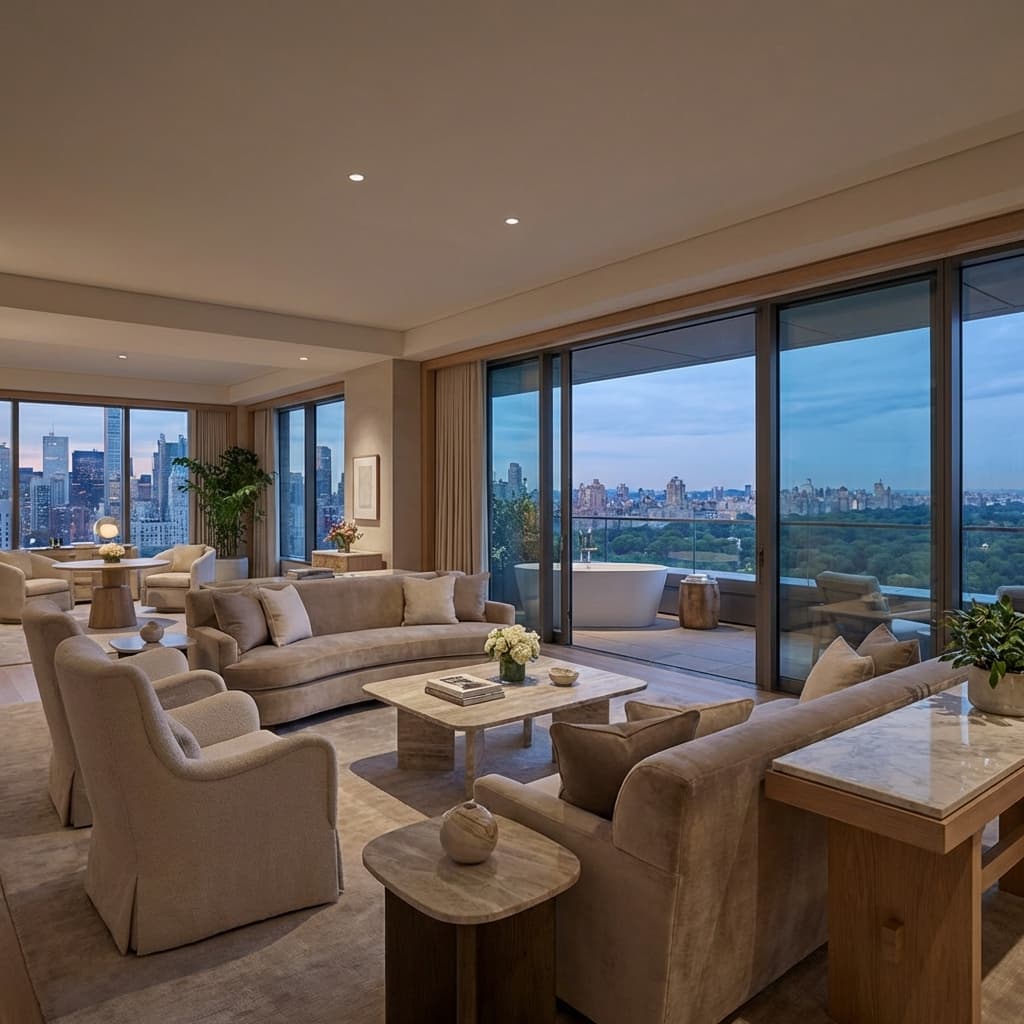
Luxury Hotel Therapist Placement: Elevating VIP Experiences
Luxury Hotel Therapist Placement: Elevating VIP Experiences
Luxury hotel therapist placement is the structured process of sourcing, vetting, and positioning exceptional wellness professionals within distinguished hotel properties to deliver private, in-suite, and in-villa treatments for VIP guests. Unlike agency-supplied therapists or ad hoc mobile bookings, dedicated placement ensures that every therapist operating within a property has been evaluated for technical mastery, guest-facing etiquette, and alignment with the hotel's brand identity — resulting in wellness experiences that feel like a natural extension of the property rather than an outsourced service.
Luxury Spa Therapists facilitates these introductions for hotels that refuse to compromise on the quality of their guest wellness offering. Having coordinated placements across urban flagship properties, resort destinations, and boutique hideaways worldwide, we understand the operational realities that hotel leadership faces: the need for therapists who can navigate VIP protocols, adapt to varying suite configurations, and represent the property's reputation in the most private moments of a guest's stay.
The demand for private, in-suite wellness has accelerated significantly in recent years. Guests who once accepted the hotel spa as their default now arrive with explicit expectations for personalised treatments delivered in the privacy of their own suite or villa. For properties committed to meeting this expectation at the highest level, placement — not casual sourcing — is the distinction that separates an adequate response from an exceptional one.
Why Hotels Need Private Placement Over Agency Therapists
The conventional approach to in-suite wellness at most hotels involves either routing requests through the existing spa team or contacting a local agency when demand exceeds capacity. Both approaches carry limitations that become apparent the moment a VIP guest is involved.
Limitations of Spa Team Redeployment
Hotel spa therapists are trained to operate within controlled environments — standardised treatment rooms, consistent equipment, established service flows. Asking these professionals to deliver treatments in a presidential suite introduces variables they may not be prepared for: unfamiliar layouts, the intimacy of a guest's private space, and the subtle shift in dynamic when the therapist is a visitor rather than a host.
The result is often technically competent but experientially uneven. The guest notices a therapist who seems uncertain about where to set up, who treats the suite like a treatment room rather than adapting to its atmosphere, or who lacks the poise required when operating within a guest's private space.
Limitations of Agency Sourcing
Agency-supplied therapists present different challenges. An agency may send a different therapist for each request, meaning the property cannot guarantee continuity for returning guests or even across a single multi-night stay. Quality control sits with the agency, not the hotel, creating separation between the property's standards and the service delivered.
There is also brand alignment. An agency therapist arrives with their own habits and service style, unbriefed on the property's guest communication standards, unaware of VIP floor security requirements, and unlikely to have experienced the level of discretion that high-profile guests expect as a baseline.
What Placement Solves
Dedicated placement addresses these gaps by treating the therapist as an extension of the hotel's service culture rather than an external supplier. Through our luxury hotel service, we identify therapists whose technical ability, temperament, and professional presentation align with the specific property. The therapist is then briefed on the hotel's protocols, introduced to the relevant management and concierge teams, and given time to familiarise themselves with the property's suites, villas, and treatment spaces before their first guest interaction.
The outcome is a therapist who does not feel like an outsider. They understand the property's language, respect its rhythms, and deliver wellness experiences that reinforce — rather than dilute — the brand the hotel has spent years building.
VIP Suite and Private Villa Stays
The physical environment where treatments are delivered within a hotel property varies considerably, and the therapist must be prepared for each scenario. The demands of a compact city-centre suite differ markedly from those of a sprawling resort villa with ocean views and private plunge pools.
In-Suite Treatments
Presidential and penthouse suites in urban properties often feature generous living spaces but limited treatment-specific infrastructure. The therapist must assess the suite quickly, identify the optimal position for the treatment table — considering light, noise, and clearance — and transform the space without disturbing the guest's personal items or the room's aesthetic.
The therapist arrives before the scheduled session to set up, then departs after restoring the space to its original condition. This requires efficiency without haste — a quality that separates experienced private practitioners from those accustomed to permanent treatment rooms.
Modalities that translate well to suite environments include deep tissue massage, hot stones massage, and facial treatments — each deliverable with portable equipment in moderate space.
Resort Villa Treatments
Properties that include private villas or bungalows offer greater flexibility. Many villas feature outdoor treatment areas — shaded terraces, garden pavilions, or poolside daybeds — that create atmospheric settings no interior spa can match. Here, the therapist can draw on a broader range of modalities, including treatments like Balinese massage and shirodhara, which benefit from natural surroundings and extended session formats.
Villa stays also tend to be longer, which opens the possibility of progressive treatment programmes. Rather than isolated sessions, a therapist placed within a villa setting can design a multi-day wellness arc — beginning with restorative bodywork, progressing through targeted therapeutic treatments such as Thai massage or lymphatic drainage, and concluding with lighter relaxation sessions as the guest approaches departure. This continuity is a significant differentiator and one that guests at this level have come to expect.
Brand Alignment and Service Standards
A hotel's brand is expressed through every interaction a guest has with the property — from the tone of the welcome to the weight of the towels. A therapist operating within the property must understand and embody this brand, not merely avoid contradicting it.
Understanding the Property's Service Philosophy
Before a placement begins, we invest time understanding the property's service philosophy. Is the tone formal and measured, or warm and conversational? Does the property emphasise visible attentiveness, or does it favour the art of invisible service where needs are anticipated before they are expressed? How do existing staff members address guests — by title, by surname, by first name?
These details matter because they inform how the therapist greets the guest at the suite door, how they communicate during the treatment, and how they manage the post-treatment interaction. A therapist who delivers flawless bodywork but addresses the guest in a manner inconsistent with the property's style creates a subtle dissonance that diminishes the experience.
Our standards page outlines the baseline expectations we hold for every therapist in our network. For hotel placements, these standards are supplemented with property-specific briefings that cover communication style, dress code, grooming expectations, and service pacing.
Integrating with Existing Spa Programmes
In many cases, the placed therapist will operate alongside the hotel's existing spa team rather than replacing it. This requires careful positioning. The placed therapist typically handles VIP in-suite requests, high-profile guest wellness programmes, and specialty treatments that fall outside the spa team's standard offering, while the spa continues to serve the broader guest population.
Clear role definition prevents friction. The spa director should understand the placed therapist's scope, and the placed therapist should respect the spa team's territory. In our experience, when this boundary is established early and communicated transparently, the arrangement becomes complementary — the spa team benefits from reduced pressure on VIP servicing, and the placed therapist benefits from the property's infrastructure and guest communication channels.
Working with Hotel Management and Concierge Teams
Successful hotel placement depends on strong working relationships with several departments, each of which plays a distinct role in the guest wellness experience.
The Concierge as Gateway
The concierge team is often the first point of contact when a guest requests private wellness services. For placed therapists, the concierge serves as the scheduling conduit — receiving the guest's preferences, communicating them to the therapist, and coordinating the logistics of suite access and timing.
Building a strong rapport between the placed therapist and the concierge team is essential. The concierge needs confidence that the therapist will arrive punctually, deliver consistently, and handle any unexpected situation with composure. In return, the therapist relies on the concierge for accurate guest information, schedule management, and the institutional knowledge of individual guest preferences that experienced concierge professionals accumulate over years. Our concierge guide to private therapists explores this relationship from the concierge's perspective.
Guest Services and Operations
Guest services coordinates the practical elements: elevator access to VIP floors, security clearance for the therapist, coordination with housekeeping to ensure the suite is prepared (and restored) around treatment times, and integration with room service to avoid scheduling conflicts.
For properties with rigorous security protocols — which includes most hotels that regularly host heads of state, royal families, or public figures — the placed therapist undergoes security vetting before their first guest interaction. We facilitate this process as part of our onboarding protocol, ensuring the therapist is cleared and comfortable with the property's security requirements well before they encounter their first guest.
The General Manager and Spa Director
At the strategic level, the general manager and spa director define the scope of the placement: which guest tiers qualify for private therapist services, how the service is positioned in guest-facing communications, and how feedback is captured and acted upon. We engage with both during the initial consultation to ensure the placement serves the property's broader commercial and experiential objectives.
Treatment Space Considerations
Not every hotel suite is designed with wellness in mind, and the placed therapist must be adept at creating treatment environments within spaces that were designed for other purposes.
Assessing Suite Suitability
Before a placement begins, we assess the property's key suites and villas — measuring floor space, evaluating noise levels, reviewing lighting, and identifying power outlets for equipment such as heated stone warmers or aromatherapy diffusers. Suites that present challenges are not disqualifying, but they require preparation. The assessment ensures the therapist arrives at each suite with a clear setup strategy rather than improvising in front of the guest.
Creating Atmosphere Without Permanent Installation
The placed therapist works with portable equipment exclusively. They carry a curated kit: a professional treatment table, premium linens, a selection of oils suited to the property's guest profile, a portable sound system if needed, and modality-specific tools. The ability to transform a sitting room or terrace into a treatment space that feels intentional — not improvised — distinguishes a placed therapist from a mobile practitioner.
For properties that wish to enhance this further, we advise on semi-permanent treatment setups for suites frequently used for VIP wellness. Choosing the right products is itself a considered process — our guide to selecting the perfect massage oil covers the factors that matter in private settings.
Guest-Facing Protocols
The way a therapist conducts themselves before, during, and after a treatment shapes the guest's perception of both the therapist and the property. In hotel placements, this conduct must meet the standards of two brands simultaneously: the therapist's own professional identity and the hotel's service reputation.
Pre-Treatment Communication
Guest preferences should be gathered in advance through the concierge or guest services rather than through direct therapist-to-guest communication. This allows the therapist to arrive informed — knowing the preferred modality, pressure level, health considerations, and environmental preferences. Pre-arrival communication also sets expectations around timing: when the therapist arrives, how long setup takes, treatment duration, and departure. Precision in scheduling communicates professionalism and respect for the guest's time.
During the Treatment
Once the session begins, the therapist's focus narrows to the guest's physical and emotional comfort. Conversation is guided by the guest's cues — some prefer silence, others welcome dialogue. The therapist reads these signals and adapts, never imposing.
Technical excellence is assumed at this level. What distinguishes a placed therapist is subtlety — the management of transitions between techniques, the temperature of their hands, the almost imperceptible adjustments made in response to body language. These are the qualities our vetting process is designed to identify.
Post-Treatment and Follow-Up
The therapist offers brief aftercare guidance, ensures the guest is comfortable, and restores the space before departing through the designated route. Follow-up is handled through the concierge — a discreet inquiry within 24 hours serves as both a quality check and an opportunity to schedule subsequent sessions.
Seasonal and Event-Based Placements
Hotel wellness demand fluctuates with occupancy patterns, and the most effective placement strategies account for these rhythms rather than applying a uniform model throughout the year.
Peak Season Placements
During high-occupancy periods — Mediterranean summers, Caribbean winters, holiday weeks — VIP guest volume increases and with it the demand for private wellness services. Properties relying solely on their spa team during these periods face capacity constraints, resulting in declined requests for their most valuable guests.
Seasonal placement anticipates this demand. By positioning a dedicated therapist during peak periods, the hotel accommodates every VIP wellness request without taxing its existing spa operations — particularly relevant for properties with a high proportion of repeat guests whose expectations are shaped by previous stays.
Event-Driven Placements
Certain events create concentrated wellness demand: fashion weeks, film festivals, major sporting events, or cultural gatherings that attract the hotel's target demographic in unusual density. A property hosting guests during the Monaco Grand Prix, Art Basel, or the Cannes Film Festival faces a specific wellness profile — guests who are socially active, physically fatigued, and accustomed to on-demand personal services.
Event placements require therapists who manage high volume without sacrificing quality and who may deliver back-to-back treatments across multiple suites within a single evening.
Off-Season and Year-Round Programmes
For resort properties with year-round occupancy, permanent or semi-permanent placement offers the deepest integration. A therapist who is present across seasons develops relationships with returning guests, builds institutional knowledge of the property, and becomes a genuine asset to the hotel's service ecosystem. This model suits properties where wellness is a defining element of the brand rather than a supplementary amenity.
Our how it works page outlines the full placement journey from initial consultation through to long-term programme management.
Investment and Process
Hotel therapist placement represents a strategic investment in guest experience — one that is measured not only in direct revenue but in guest satisfaction scores, repeat booking rates, and the intangible value of a reputation for anticipating the needs of the most discerning travellers.
The Placement Process
The engagement begins with a confidential consultation where we assess the property's guest profile, wellness demand patterns, existing spa infrastructure, and brand standards. From this, we develop a placement specification that guides our search.
We curate a shortlist of therapists whose skills, experience, and temperament align with the property's requirements — each vetted for technique mastery, pressure control, professional boundaries, and guest-facing etiquette. A detailed overview is available through our therapist vetting standards article.
Properties then have the opportunity to meet shortlisted therapists and arrange trial sessions to experience their work firsthand. Once the therapist is selected, we manage the onboarding: property orientation, departmental introductions, protocol training, and a supported adaptation period.
Understanding the Investment
Our pricing page provides a transparent breakdown of the two-stage fee structure, separating initial consultation and shortlisting from final placement and onboarding. The relevant comparison is not the cost of an agency call-out but the cumulative value of consistent, brand-aligned VIP wellness across dozens of guest interactions over a season.
Ongoing Support
Placement does not end when the therapist begins. We maintain contact with both the property and the therapist throughout, addressing adjustments, facilitating feedback, and conducting structured reviews between seasons to refine the programme.
Explore the full range of environments we serve — including private residences, villas, and superyachts — to understand how our approach adapts to each setting. For properties that wish to elevate their existing spa team rather than adding external placement, our private training programme offers an alternative path to refined service standards.
To discuss how therapist placement could enhance your property's VIP wellness offering, connect with our placement team or reach out via WhatsApp at +9613880808.
Frequently Asked Questions
What distinguishes luxury hotel therapist placement from using a mobile therapist agency?
Placement evaluates not only technical ability but brand alignment, guest-facing etiquette, and compatibility with the property's service philosophy. The therapist is briefed on protocols, introduced to relevant departments, and familiarised with the property before their first guest interaction. Agency models provide available practitioners without this integration, resulting in inconsistency and brand misalignment. Our luxury hotel service page describes the full scope.
How long does the placement process take from initial enquiry to the therapist's first guest session?
We recommend allowing four to six weeks from initial consultation to the therapist's first active session, accommodating consultation, shortlisting, trial sessions, and onboarding. For urgent requirements — an upcoming event or unexpected surge in VIP bookings — we can accelerate the process, drawing on therapists with prior hotel placement experience. Contact us to discuss your timeline.
Can a placed therapist work alongside our existing hotel spa team without creating friction?
Yes, and this is one of the most common arrangements we manage. Clear role definition is essential: the placed therapist typically handles VIP in-suite requests and specialty treatments, while the spa team continues to serve the broader guest population. We work with the spa director during the onboarding phase to establish boundaries, communication channels, and referral protocols that make the arrangement complementary rather than competitive.
What treatments are most commonly requested by VIP hotel guests?
Demand varies by property type and guest demographic, but the most frequently requested modalities include deep tissue massage for recovery and tension relief, hot stones massage for deep relaxation, and facial treatments for pre-event preparation. Resort properties see additional demand for body scrubs, Moroccan hammam rituals, and reflexology. We match therapist specialisations to the treatment profile most relevant to the property's guest base.
How do you ensure the therapist maintains our hotel's brand standards over time?
Sustained alignment requires more than an initial briefing. We establish ongoing feedback channels between property management, the concierge team, and our coordinators. Guest feedback is reviewed systematically, and for long-term placements, quarterly reviews assess both technical performance and adherence to the property's evolving standards. Our standards page outlines the expectations we maintain.
What security protocols do placed therapists follow when accessing VIP guest floors?
Every placed therapist undergoes security vetting before their first guest interaction — background checks, NDA execution, and briefings on VIP floor access protocols. The therapist is registered with the property's security team, assigned designated entry and exit routes, and given clear guidelines on identification and conduct in restricted areas. For properties hosting principals with personal security details, we ensure the therapist is comfortable operating alongside close protection officers.
Can we arrange placement for a specific event or season rather than year-round?
Absolutely. Event-based and seasonal placements are among our most common hotel engagements. Properties hosting guests during fashion weeks, film festivals, or peak holiday periods benefit from temporary placement that scales wellness capacity when demand is highest. We manage all logistics, including therapist travel and accommodation. Learn more on our how it works page.
How does pricing work for hotel placements versus private residence placements?
The placement structure is consistent across environments, with the two-stage fee covering consultation, shortlisting, trial sessions, and onboarding. Specific investment may vary based on placement duration, number of therapists, and destination logistics. Our pricing page provides a transparent overview, and we deliver detailed proposals after the initial consultation.
What happens if a placed therapist is unable to continue during a seasonal engagement?
We maintain contingency plans for every placement. Our network includes therapists with hotel experience in most major hospitality markets who can step in at short notice. We handle all logistics for replacements — including accelerated onboarding — and brief the incoming therapist using existing documentation, guest preference records, and property protocols.
Do you work with boutique hotels or only large resort properties?
We work with properties of all scales. Boutique hotels often benefit most from placement because their smaller size means every guest interaction carries outsized weight — a mismatched therapist at a twelve-room property is noticed immediately. We have placed therapists at intimate countryside retreats, urban design hotels, and heritage properties. Request a private introduction through our contact page or services overview.
For a confidential consultation about luxury hotel therapist placement, contact us or connect via WhatsApp at +9613880808.
Discover how tailored placement elevates your guest wellness experience.