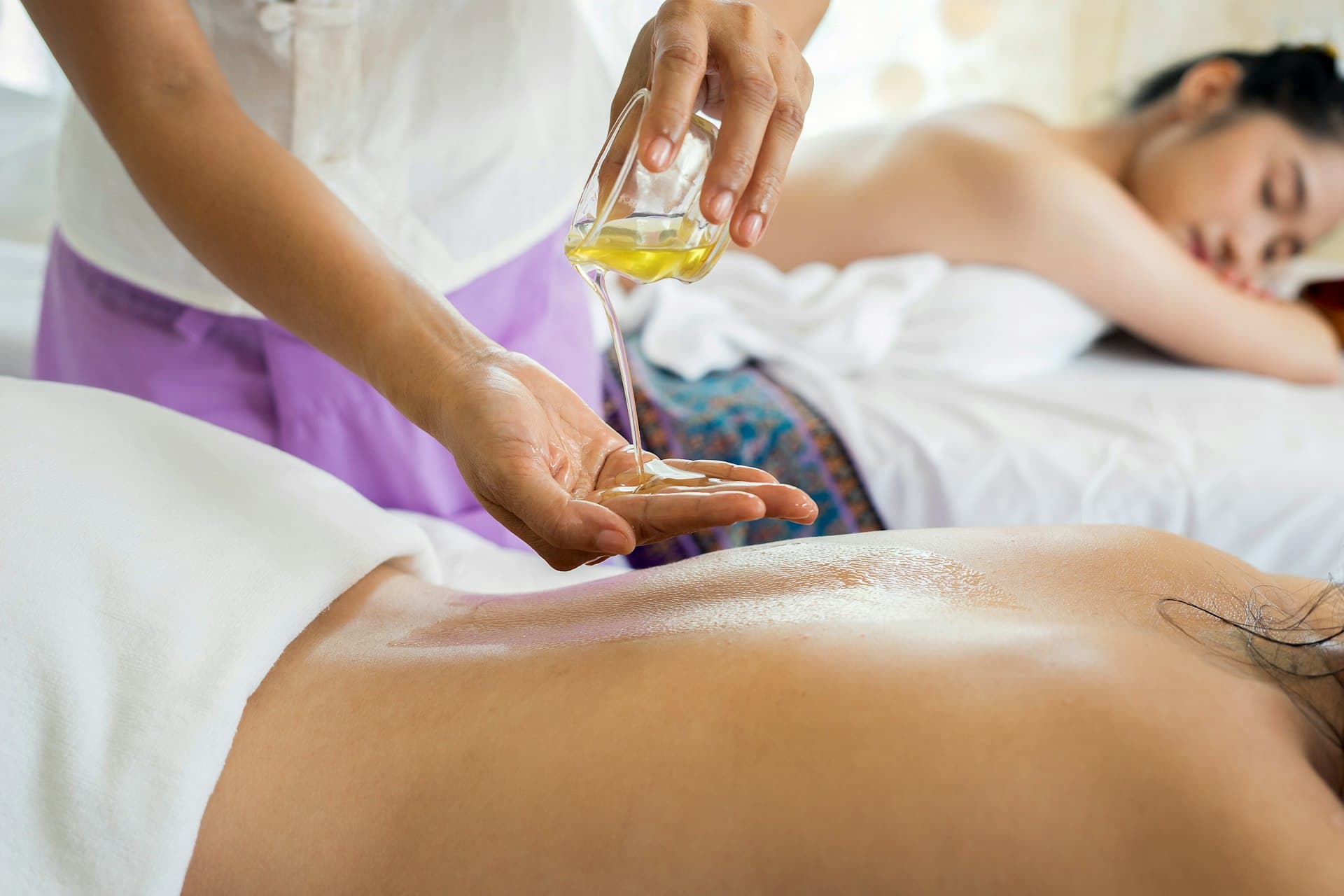
Balinese Massage: Island Tradition Meets Private Luxury
Balinese massage is a traditional Indonesian healing modality that combines gentle stretching, acupressure, aromatherapy, and long flowing strokes to restore balance across body and mind. Rooted in centuries of Balinese Hindu healing practice, it draws from Ayurvedic, Chinese, and indigenous Indonesian influences to produce an experience that is at once deeply relaxing and therapeutically precise. Luxury Spa Therapists introduces therapists trained in authentic Balinese technique who understand how to adapt this richly sensory treatment to private environments—where the absence of commercial spa constraints allows the modality's full depth to emerge.
In a private residence or seasonal villa, Balinese massage becomes something more than a treatment. The therapist can calibrate every element—the blend of essential oils, the pacing of the session, the ambient temperature and lighting—to the individual, without the rotation schedules and standardised protocols that govern even the finest resort spas. The result is Balinese massage as it was conceived: unhurried, intuitive, and wholly personal.
What Makes Balinese Massage Distinct
Many modalities share individual techniques with Balinese massage, but none combine them in quite the same way. Understanding these distinctions helps clarify why Balinese work produces effects that other treatments approach but do not replicate.
The Layered Approach
Where deep tissue massage focuses on sustained pressure into specific muscular structures, and Swedish massage relies primarily on rhythmic gliding strokes, Balinese massage layers multiple techniques within a single session. The therapist may transition from long effleurage strokes along the back to focused acupressure on the shoulders, then shift into gentle stretching of the hip flexors, before returning to flowing work with aromatic oil along the legs. This constant variation is not arbitrary. It reflects the Balinese understanding that the body responds most fully when it cannot anticipate what comes next—when the nervous system is invited to release its vigilance and simply receive.
The Relationship with Ayurveda
Balinese massage shares philosophical ground with Ayurvedic massage, and the two modalities are sometimes confused. Both employ warm oils, both address energetic as well as physical dimensions, and both trace roots to ancient healing systems. The distinction lies in approach. Ayurvedic massage is typically prescribed according to the client's constitutional type, or dosha, and follows specific protocols designed to balance that constitution. Balinese massage, while it acknowledges energetic principles, is more fluid and intuitive in its application. The therapist reads the body in real time, adjusting technique and focus based on what the tissue reveals.
Comparison with Thai Massage
Thai massage shares the stretching component found in Balinese work, but the two modalities diverge significantly in execution. Thai massage is performed clothed on a floor mat, using the therapist's body weight for compression and assisted movement. Balinese massage takes place on a treatment table with oil, using the hands, forearms, and thumbs as primary instruments. The stretches in Balinese work tend to be gentler and shorter—integrated within the massage flow rather than forming its structural backbone. For clients who value both modalities, alternating between them across consecutive days creates a particularly effective rhythm of active and restorative treatment.
The Technique in Detail
A well-executed Balinese massage follows a progression that has been refined over generations, though the specific sequence varies by lineage and practitioner.
Long Flowing Strokes
The foundation of Balinese massage is the continuous, gliding stroke—long, connected movements that travel the full length of the back, the legs, the arms. These strokes establish the rhythm of the session and signal to the nervous system that it is safe to relax. Unlike the brisk, mechanical effleurage found in some Western massage traditions, Balinese flowing strokes are slow, deliberate, and deeply connected. The therapist's hands maintain constant contact with the body, creating an unbroken stream of sensory input that many recipients describe as meditative.
Acupressure Points
Woven through the flowing strokes are moments of focused pressure on specific points along the body's energy pathways. Balinese practitioners work primarily with points along the spine, across the shoulders, on the feet, and along the forearms. The pressure is firm but not aggressive—held for several seconds until the tissue softens and the underlying tension begins to dissipate. This acupressure work addresses pain patterns, headaches, and areas of energetic stagnation that the flowing strokes alone may not resolve.
Gentle Stretching
Throughout the session, the therapist introduces passive stretches—opening the chest, rotating the shoulders, extending the lower back. These stretches are subtler than those found in Thai massage, integrated seamlessly into the massage flow. A client may not notice when a stretch begins; the therapist simply guides the body into a position that opens a joint or lengthens a muscle, holds briefly, and transitions back to hands-on work. This integration is one of the hallmarks of genuine Balinese technique.
The Role of Aromatherapy
Aromatherapy is not an optional addition to Balinese massage—it is integral to the practice. The oils used in a Balinese session carry therapeutic and cultural significance, and their selection reflects a depth of knowledge that distinguishes a trained Balinese practitioner from a generalist.
Traditional Balinese blends often incorporate frangipani, ylang-ylang, vetiver, sandalwood, and clove—botanicals native to the Indonesian archipelago. These are not chosen for fragrance alone. Frangipani has calming properties that complement the parasympathetic activation produced by the massage itself. Clove oil delivers warming, analgesic effects that enhance the acupressure work. Sandalwood supports emotional grounding.
In private settings, the aromatherapy element becomes especially potent. Without the competing scents of a shared spa—chlorine from a nearby pool, the previous client's perfume, commercial diffuser blends in the corridor—the oil's fragrance fills the treatment space cleanly. Our guide to selecting the right massage oil explores how therapists in our network match blends to individual preferences, skin sensitivities, and therapeutic objectives. For clients with fragrance sensitivities, unscented carrier oils can be used without compromising the massage's structural integrity, though the experience is, by tradition, less complete.
Ideal Settings for Balinese Massage
Balinese massage is remarkably adaptable, but certain settings draw out its qualities with particular clarity.
Private Residences
In a private residence, Balinese massage integrates naturally into a daily or weekly wellness routine. The therapist learns the client's patterns—the shoulder tension that accumulates by Thursday, the lower back stiffness that follows travel, the preference for deeper work on the legs after a weekend of activity. This continuity of care, discussed in our overview of how the placement process works, allows each session to build on the last. A standing Tuesday evening Balinese massage becomes not a luxury but a structural element of wellbeing.
Villas
Villa settings—particularly in warm coastal climates—offer the possibility of outdoor Balinese treatments that echo the modality's origins. A shaded terrace, a garden pavilion, or a covered pool deck allows natural light and ambient sound to become part of the treatment environment. Our villa therapist placement services include guidance on identifying suitable treatment locations within the property, ensuring that privacy, temperature, and surface stability are all addressed before the session begins. For multi-week villa stays, a resident Balinese massage therapist transforms the property from a holiday home into a personal wellness retreat.
Superyachts
On a superyacht, Balinese massage is among the most requested modalities. The flowing nature of the technique harmonises naturally with the gentle motion of a vessel at anchor, and the aromatherapy component counteracts the sensory monotony that can develop during extended time at sea. Space considerations apply—the treatment table, oil warming equipment, and stone accessories (if incorporating hot stones into the Balinese framework) require thoughtful placement in the onboard spa or a designated cabin area.
Who Benefits Most
Balinese massage suits a broad range of clients, but it is particularly well matched to certain needs and constitutions.
Clients managing accumulated stress. The combination of flowing strokes, acupressure, and aromatherapy addresses stress at multiple levels simultaneously—muscular, neurological, and emotional. For principals and executives whose tension is distributed across the entire body rather than localised in one area, Balinese massage offers a comprehensive treatment that other, more targeted modalities may not.
Clients new to private massage. The gentle-to-medium intensity of Balinese massage makes it an excellent introduction to bodywork in a private setting. It is less confrontational than deep tissue, less physically demanding than Thai, and the sensory richness of the aromatherapy provides a point of focus that helps first-time recipients relax into the experience. A trial session featuring Balinese massage often reveals whether the therapist-client dynamic will sustain a longer-term arrangement.
Clients seeking combined treatment programmes. Balinese massage pairs exceptionally well with other modalities across a multi-day schedule. Morning Balinese work followed by afternoon lymphatic drainage creates a rhythm of stimulation and recovery that supports detoxification. Alternating Balinese sessions with four hands massage introduces variety without disrupting the therapeutic arc. Our team designs these programmes during the consultation phase, drawing on the therapist's expertise and the client's objectives.
Duration, Intensity, and Frequency
Balinese massage is typically offered in sixty or ninety-minute sessions, though in private placements there is no reason to adhere to commercial time constraints.
A sixty-minute session accommodates a focused treatment of the back, shoulders, neck, and scalp—suitable as a midweek maintenance session or a calming ritual before sleep. Ninety minutes allows full-body coverage including legs, feet, arms, hands, and face, with time for the therapist to linger on areas that need additional attention. For those who wish to experience the full spectrum of Balinese technique, including extended stretching and detailed acupressure work, a two-hour session is not excessive.
Intensity ranges from medium to firm. The therapist adjusts pressure based on the client's preferences and the tissue's response, and this calibration is one of the seven pillars of our selection standards—pressure control that reads the body rather than imposing a fixed approach. Clients who prefer lighter work receive it without the treatment feeling superficial. Those who seek greater depth receive firm acupressure and deeper flowing strokes without the session crossing into the territory of clinical deep tissue work.
For ongoing placements, two to three sessions per week delivers the most sustained benefit. The body's response to Balinese massage is cumulative: chronic tension patterns soften progressively, sleep quality improves, and the parasympathetic regulation that the treatment encourages begins to function more efficiently between sessions.
To explore Balinese massage as part of a private wellness programme, inquire via WhatsApp or view our complete treatment menu to see how this modality integrates with complementary therapies.
Frequently Asked Questions
What distinguishes Balinese massage from a standard relaxation massage?
Balinese massage integrates four distinct techniques within a single session—long flowing strokes, focused acupressure, gentle passive stretching, and aromatherapy with traditional Indonesian botanical blends. A standard relaxation massage typically relies on one or two of these elements. The layered approach in Balinese work addresses muscular tension, energetic stagnation, and emotional stress simultaneously, producing a more comprehensive outcome than relaxation massage alone.
Is Balinese massage appropriate for clients with sensitive skin?
Yes, with appropriate oil selection. Therapists in our network assess skin sensitivities during the initial consultation and adjust their blend accordingly. Clients with reactive skin may use hypoallergenic carrier oils such as jojoba or sweet almond, omitting the essential oil component entirely if necessary. The therapeutic structure of the massage—the strokes, acupressure, and stretching—remains fully effective regardless of oil formulation.
How does the aromatherapy component work during a private session?
The therapist warms the blended oil between their palms before applying it to the body, releasing the essential oil compounds gradually throughout the session. In a private setting, the therapist may also place a warm aromatic compress on the chest or forehead during the closing minutes. Because there are no competing fragrances in a private environment, the aromatherapy effect is more pronounced than in a shared spa, and the scent can be calibrated precisely to the client's preference.
Can Balinese massage be combined with hot stones?
Absolutely. Hot stones massage integrates naturally with the Balinese approach. Heated basalt stones can be used during the flowing stroke portion of the session, deepening the warmth and penetration of the technique. Static stone placement along the spine during acupressure work on the extremities adds a layer of passive heat therapy. Many therapists in our network are proficient in both modalities and transition between them fluidly.
What is the ideal frequency for Balinese massage in a private placement?
For ongoing placements, two to three sessions per week provides the strongest cumulative benefit. Clients managing high levels of stress or recovering from travel may benefit from daily sessions during the first week, tapering to a maintenance frequency as the body's baseline tension decreases. Your therapist will recommend a schedule based on how your body responds during the initial sessions.
How does the therapist adapt Balinese massage to a yacht environment?
The primary adaptations involve the treatment space and the vessel's movement. Therapists experienced with superyacht placements stabilise the treatment table against the vessel's motion, select oils that perform well in marine humidity, and adjust their body mechanics to maintain consistent stroke quality in a gently moving environment. Sessions are typically scheduled at anchor in calm waters, though experienced maritime therapists can deliver effective Balinese work during gentle cruising.
What should I communicate to the therapist before my first Balinese session?
Share any injuries, chronic pain patterns, areas you prefer to avoid, and your general preference for pressure intensity. If you have fragrance sensitivities or allergies to specific botanicals, mention these as well. For clients who have experienced Balinese massage previously, describing what you valued about those sessions—and what you would change—helps the therapist calibrate from the first stroke. Our vetting standards ensure that every therapist we introduce is trained in thorough pre-session consultation.
For a confidential consultation about Balinese massage placement in your home, contact us or connect via WhatsApp at +9613880808.
Schedule a confidential assessment to find the right therapist for your private wellness programme.