Winter Wellness in the Alps: Private Therapist Placement for Chalet Season
Alpine chalet wellness is the integration of private therapeutic care into the winter mountain season—addressing the specific physical demands of skiing, the physiological effects of altitude, and the social rhythms of chalet life across the premier resorts of the European Alps. Luxury Spa Therapists places therapists in private chalets whose skills extend beyond technical proficiency to include an understanding of cold-weather recovery, altitude-aware treatment protocols, and the particular dynamics of winter entertaining.
The Alpine ski season, concentrated between December and March, generates a distinctive kind of physical demand. Guests arrive after long travel, spend days at altitude engaging in high-intensity activity, and return to the chalet expecting recovery that is immediate, effective, and seamlessly integrated into the evening's social programme. Unlike a villa placement where the pace is languid and the schedule flexible, the chalet environment operates on a tighter cadence—early mornings on the mountain, late-afternoon returns, pre-dinner treatments, and evenings that extend well past midnight.
This tempo requires a therapist who can deliver clinical-grade recovery work under time pressure without sacrificing quality. It also requires someone who understands the physiology of what has happened on the mountain and can tailor each session accordingly.
The Alpine Chalet Wellness Opportunity
The private chalet has become the centrepiece of Alpine winter culture for discerning travellers. Properties in Verbier, Gstaad, Courchevel 1850, Megève, and St. Moritz now rival the finest hotels in their level of fit-out, staffing, and service expectation. A fully staffed chalet typically includes a private chef, a chalet host, and housekeeping—yet wellness, despite being one of the most valued amenities, is often arranged ad hoc or not at all.
This gap represents a significant opportunity. Guests who would never accept improvisation in their dining or accommodation settle for therapists booked through local agencies, unfamiliar with the property and meeting the client for the first time at the treatment table. The result is inconsistent quality, no continuity between sessions, and a therapeutic experience that falls below the standard set by every other aspect of the chalet.
A placed therapist—vetted, briefed, and onboarded before the season begins—transforms the wellness offering from an afterthought into a defining feature of the chalet experience. They arrive knowing the property layout, the guest preferences, and the daily rhythm. They have the equipment, products, and treatment space prepared. They are ready to work from the first afternoon.
Post-Ski Recovery: Understanding What the Mountain Does to the Body
Skiing and snowboarding impose a particular pattern of physical stress that differs substantially from other forms of athletic activity. Understanding this pattern is essential to effective post-ski treatment.
Lower Body Demand
The primary muscle groups engaged during skiing—quadriceps, hamstrings, gluteals, and the deep muscles of the hip—sustain prolonged isometric contraction throughout the day. Unlike running or cycling, where muscles contract and release rhythmically, skiing demands continuous engagement to maintain stance and absorb terrain. By late afternoon, these muscles are not merely tired; they are in a state of sustained contraction that the body struggles to release without intervention.
Deep tissue massage targeting the quadriceps, iliotibial band, and hip rotators is the primary modality for addressing this pattern. The therapist works slowly through the superficial layers—which are often guarded due to the cold and exertion—to reach the deeper structures where the tension resides. Rushing this process triggers protective contraction and renders the treatment ineffective.
Upper Body and Core Engagement
While skiing is perceived as primarily a lower-body activity, the upper body and core sustain significant load. Pole planting engages the shoulders, forearms, and wrists. Maintaining balance on variable terrain activates the deep spinal stabilisers and obliques. And the involuntary bracing that accompanies cold, fatigue, and challenging conditions creates tension patterns in the neck, shoulders, and upper back that accumulate over successive days.
Sports recovery massage that addresses these patterns—working the thoracic spine, releasing the suboccipital muscles at the base of the skull, and mobilising the shoulder girdle—complements the lower-body focus and leaves the guest feeling genuinely restored rather than partially treated.
Cold Exposure Effects
Hours spent at altitude in sub-zero temperatures produce vasoconstriction—the narrowing of blood vessels in the extremities to preserve core temperature. When the body returns to the warmth of the chalet, peripheral circulation gradually restores, but the process is often incomplete without active intervention. Residual vasoconstriction contributes to muscle stiffness, delayed recovery, and the pervasive sensation of cold that some guests experience well into the evening.
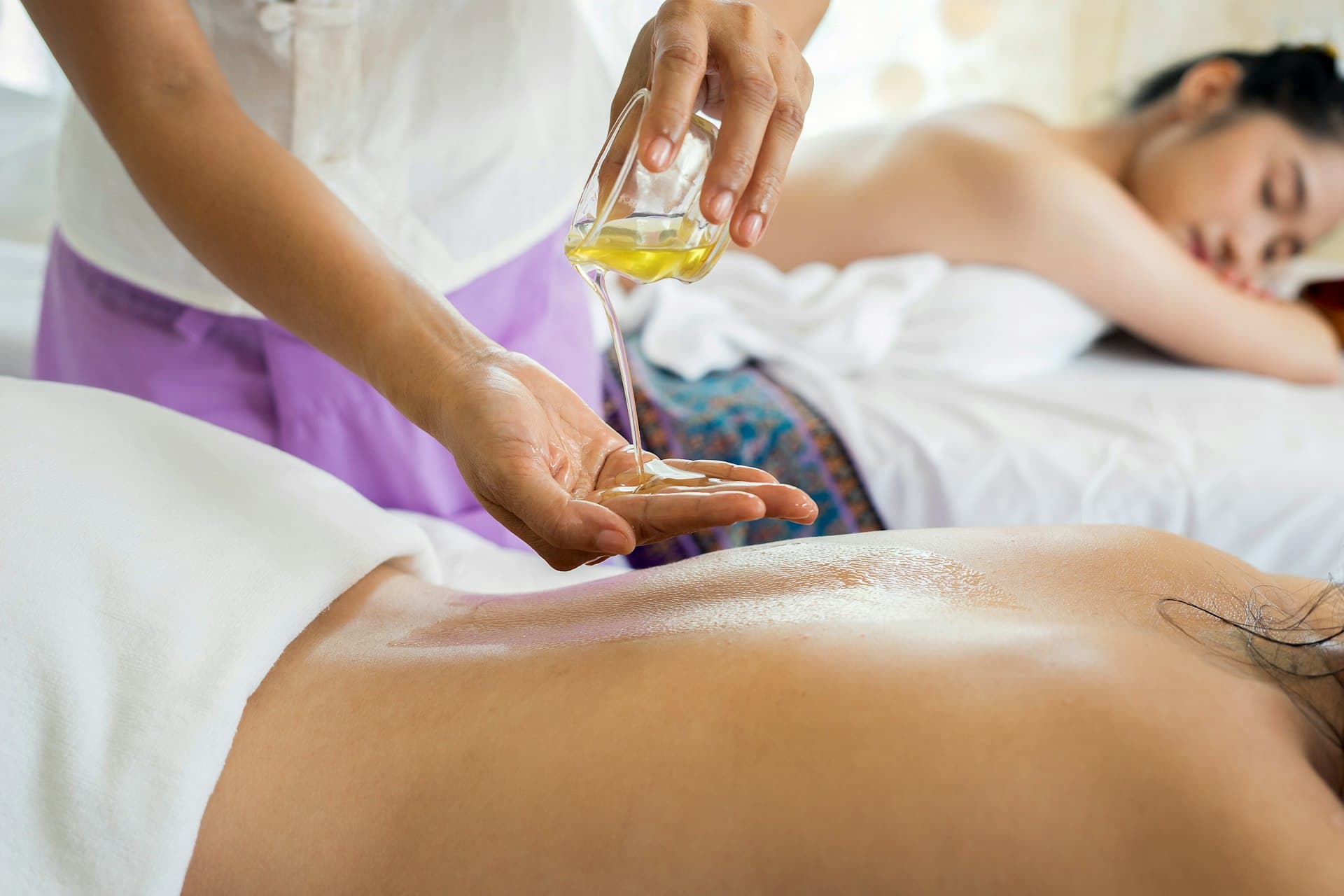
Warming modalities accelerate this restoration. Hot stones massage delivers sustained heat deep into the tissue, promoting vasodilation and accelerating the clearance of metabolic waste. Warm oil application combined with firm, rhythmic strokes achieves a similar effect. The therapist should ensure the treatment room is warmer than a typical setting—23 to 25 degrees Celsius—to support the body's rewarming process rather than working against it.
Treatment Adaptations for High-Altitude Environments
Most premier Alpine resorts sit between 1,500 and 2,000 metres, with skiing often reaching above 3,000 metres. Altitude imposes physiological effects that the therapist must account for in their treatment approach.
At altitude, the body receives less oxygen per breath. To compensate, heart rate increases, breathing becomes shallower, and the body produces more red blood cells over time. In the first days of arrival—before acclimatisation occurs—guests may experience headaches, fatigue, disrupted sleep, and mild nausea. These are symptoms of acute mountain sickness, and they affect treatment in several ways.
Dehydration is accelerated at altitude due to increased respiratory water loss and lower humidity. The therapist should assess hydration status before each session and encourage water intake. Massage pressure may need to be moderated during the first two days, as the body's stress response is already elevated from altitude adaptation. Overly aggressive deep tissue work on an already-taxed system can produce excessive soreness and compound fatigue rather than relieving it.
Conversely, lymphatic drainage is particularly valuable during the acclimatisation period. Its gentle, rhythmic technique supports fluid balance, reduces the mild oedema that altitude can produce in the extremities and face, and activates the parasympathetic nervous system—counteracting the sympathetic overdrive that altitude triggers. Several clients have reported that a lymphatic drainage session on the evening of arrival significantly reduces the severity of altitude-related symptoms the following day.
The Chalet Social Dynamic
Understanding the social context of a chalet is as important as understanding the physiology of skiing. Chalets are inherently communal environments. A typical booking involves eight to twelve guests—friends, family, or a combination—sharing the property for a week. The social energy is high. Evenings involve extended dinners, wine, and conversation that can run past midnight. Mornings begin early for those intent on first lifts.
Within this dynamic, the therapist must navigate multiple relationships and preferences simultaneously. One guest may want deep, clinical recovery work; another may prefer a gentle relaxation massage before dinner. A third may have an injury that requires careful management. The therapist must assess each person individually while maintaining the schedule necessary to see everyone who wants a session before dinner service begins.
The window for treatment is typically narrow: between four and eight in the evening, after guests return from the mountain and before dinner at nine. Within this four-hour window, a therapist can realistically deliver three to four sessions of sixty to ninety minutes each. For larger groups, two sessions per day per guest—alternating between guests across the week—ensures everyone receives care without exhausting the therapist.
Privacy within the group is paramount. The therapist should never discuss one guest's treatment, preferences, or physical concerns with another, even casually. What happens on the treatment table stays on the treatment table. Our standards of discretion are non-negotiable in these closely shared environments.
Destination Profiles: Where the Alps Meet Wellness
Each Alpine resort carries its own character, and the wellness expectation shifts accordingly.
Verbier attracts a younger, more athletic clientele. The skiing is challenging—steep, off-piste terrain that punishes the body. Treatment demand here skews toward genuine recovery: deep tissue, sports massage, and targeted work on specific injuries or overuse patterns. The atmosphere is informal, and the therapist can engage with guests more casually than in some other resorts.
Gstaad is quieter, more established. Properties here are often multi-generational family homes rather than rental chalets. The pace is measured, and the wellness expectation includes relaxation as much as recovery. Balinese massage, shirodhara, and contemplative modalities sit comfortably alongside recovery work.
Courchevel 1850 sets the standard for luxury in the French Alps. Service expectations are exceptionally high. The therapist must operate at a level consistent with the Palace hotels on the resort's main street—Le Cheval Blanc, Les Airelles, L'Apogée. Presentation, punctuality, product quality, and treatment precision are scrutinised. The clientele here often has experience with the finest spa environments globally.
Megève balances Alpine tradition with understated French elegance. The village atmosphere is more intimate than Courchevel, and the properties tend to favour warmth and character over architectural spectacle. Wellness here is woven into the fabric of daily life rather than being a separate event.
St. Moritz brings a Swiss sensibility: precision, discretion, and quiet efficiency. The international clientele expects service that functions without friction. The therapist must be professional to the point of near-invisibility—present when needed, absent when not, and always impeccable.
Logistical Considerations: Remote Locations and Winter Access
Alpine chalets present logistical challenges that do not exist in other placement environments. Properties are often accessed via narrow mountain roads that may require snow chains or four-wheel drive. Equipment must be transported in winter conditions. Treatment supplies must be sourced and stocked before the season begins, as mid-season procurement from remote locations is impractical.
The therapist's accommodation must be arranged in advance. Some chalets have staff quarters; others require nearby rental accommodation. Travel time between the therapist's lodging and the chalet should be factored into the daily schedule—a twenty-minute drive in clear conditions may double in heavy snowfall.
Equipment needs for the Alpine environment include additional linens (cold clients require more covering), warming products, a heating element for stones if hot stone work is offered, and a robust treatment table that withstands daily setup and breakdown. The therapist should also carry basic first-aid supplies and be familiar with the protocols for common ski injuries—though treatment of acute injury is, of course, the domain of medical professionals.
Our placement process addresses these logistics during the onboarding phase. The therapist arrives at the property prepared, briefed, and equipped—not discovering these realities on their first day.
Arranging Seasonal Placement for Winter Properties
The optimal time to initiate therapist placement for the Alpine season is October or early November—eight to twelve weeks before the December opening. This timeline allows for our complete consultation and matching process, including trial sessions where the client experiences the therapist's work firsthand.
For clients who own or lease chalets across multiple seasons—winter in the Alps, summer in the Mediterranean—we offer continuity arrangements. The same therapist can travel with the household between properties, maintaining familiarity and eliminating the adaptation period that a new therapist requires. Alternatively, we can place season-specific therapists who are optimally suited to each environment—an Alpine specialist for winter, a villa specialist for summer—while maintaining consistent standards across both.
The villa placement model adapts naturally to the chalet environment, with adjustments for the winter-specific considerations outlined above. The same principles of matching, onboarding, and integration apply; only the context changes.
For properties in the Geneva corridor—convenient to both Verbier and Gstaad—we can also arrange placements that serve a primary residence during the week and the chalet on weekends, providing year-round continuity.
To arrange private therapist placement for your Alpine chalet, reach us via WhatsApp at +9613880808 or visit our contact page.
Schedule a confidential assessment of your chalet's wellness potential.
Frequently Asked Questions
When should I arrange therapist placement for the ski season?
We recommend beginning the process in October or early November—at least eight weeks before the season opens in December. This allows for full consultation, shortlisting, trial sessions, and onboarding. Late requests are accommodated where possible, but the pool of therapists experienced in Alpine environments is limited, and early planning secures the strongest candidates.
What treatments are most effective for post-ski recovery?
Deep tissue massage targeting the quadriceps, hip flexors, and lower back addresses the primary muscular demands of skiing. Sports recovery massage provides broader recovery support including upper body and core. Hot stones massage is particularly effective after cold exposure, delivering sustained warmth deep into contracted tissue. The optimal approach combines modalities across the week rather than relying on a single treatment type.
Can the therapist also provide treatments for non-skiing guests?
Absolutely. Chalet groups often include guests who do not ski—whether by preference, age, or physical limitation. These guests benefit from relaxation-focused modalities such as Balinese massage, facial treatments to address the drying effects of altitude and cold, and reflexology. The therapist we place will have the breadth of skill to serve the full range of guests in the chalet, not only those returning from the slopes.
How does altitude affect massage treatment?
At altitude, dehydration is accelerated, the cardiovascular system works harder, and guests may experience mild symptoms of altitude sickness during the first one to two days. Treatment pressure may need to be moderated initially, and hydration should be emphasised before and after each session. Lymphatic drainage is particularly beneficial during the acclimatisation period, supporting fluid balance and reducing altitude-related fatigue. An experienced Alpine therapist accounts for these factors automatically, adjusting their approach based on each guest's acclimatisation status.