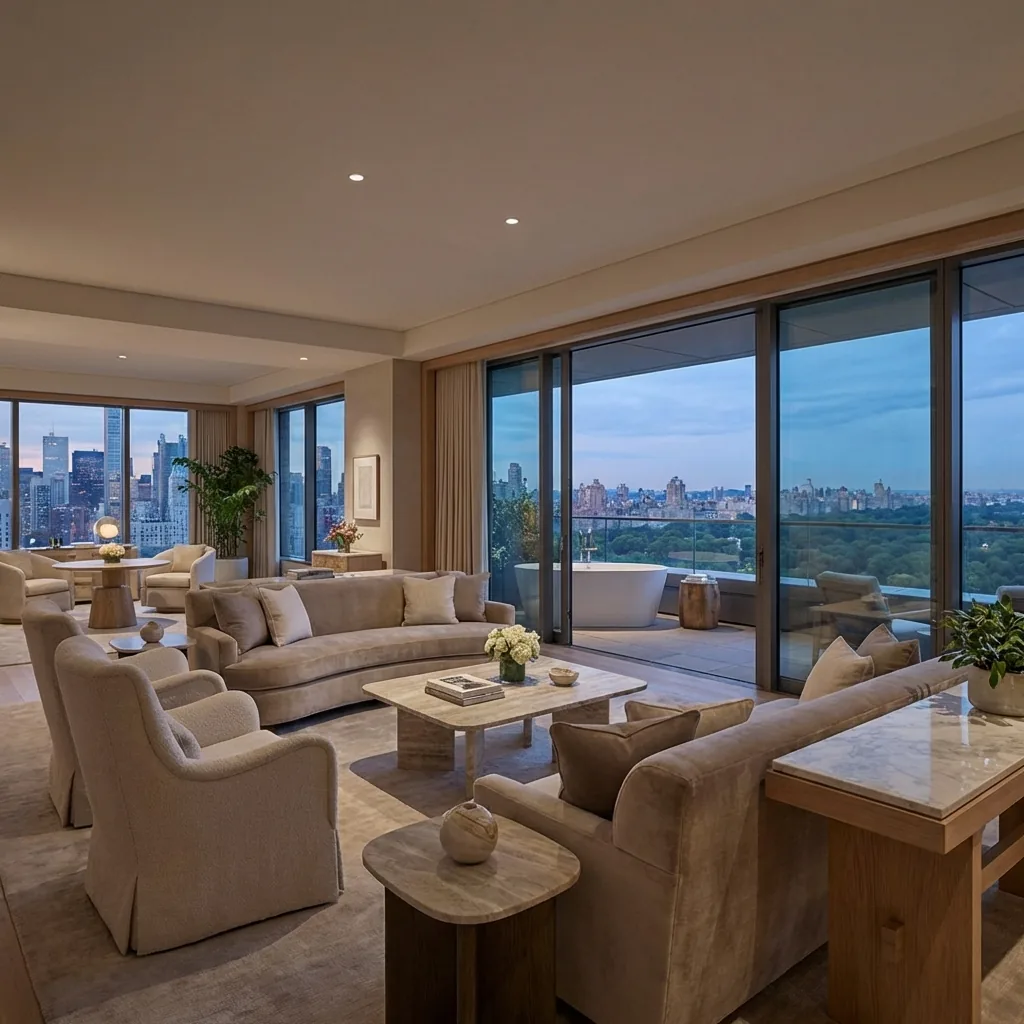
Concierge Protocols: Placing a Private Therapist for VIP Hotel Guests
Luxury hotel concierges sit at the centre of a quiet operational shift. A decade ago, the spa appointment was the standard response to a VIP guest's wellness request. Today, for a growing share of the hotel's top-tier residents — long-stay suite occupants, penthouse regulars, family office clients on month-long bookings — the preferred answer is not an appointment at all. It is a vetted therapist arriving in-suite, on the guest's schedule, carrying their own equipment, with no footprint on the guest ledger and no visible transition between daily life and treatment.
This is a service pattern that demands coordination, not improvisation. Concierges who manage it well build a standing relationship with a placement firm — such as Luxury Spa Therapists — and treat in-suite wellness as a deliberate, insured, repeatable part of their VIP service repertoire.
Why guests increasingly prefer in-suite over the hotel spa
There are four recurring reasons VIP guests choose an in-suite placed therapist rather than the hotel's own spa, and each one points to an operational design implication for the concierge team.
Privacy exposure. The transit through lobby, lift, spa reception and changing room is a privacy cost that some guests absorb gladly and others decline entirely. Heads of state, public figures and families whose presence at the property is intentionally discreet prefer treatments where no ledger entry, appointment record or spa-staff interaction is visible beyond the suite door.
Schedule elasticity. Hotel spas operate in discrete blocks — 9:00 to 20:30, 60- and 90-minute appointments. Private therapist placements operate on the guest's rhythm: dawn treatments before a departure, late-evening recovery after a long dinner, 40-minute focus sessions between meetings. Guests with demanding calendars find the spa's structure incompatible with their day.
Continuity of therapist. Guests on long stays — two weeks or more — often want the same therapist across every session. The hotel spa's rotation model rarely supports this, especially when therapists are scheduled across multiple simultaneous guests. A placed in-suite therapist is booked exclusively for the duration.
Modality specificity. Guests with specific therapeutic preferences — advanced lymphatic drainage, four-hands technique, shirodhara, prenatal work — often find the hotel spa's standard menu too narrow. A placement firm maintains a specialist bench that a single hotel spa cannot.
Recognising which of these drives a given guest's request shapes how the concierge frames the offer.
The concierge's operational framework
A well-run in-suite placement protocol covers four stages: prediction, coordination, execution, and debrief. Each stage has concrete deliverables.
Prediction. For top-tier guests with recurring visits, the hotel's CRM should flag wellness preferences alongside dietary and room preferences. A note that reads "Prefers in-suite therapist — female, deep-tissue, usually books 7pm, prior placements via LST" converts a reactive scramble into a two-hour preparation.
Coordination. The concierge contacts the placement firm with a standard briefing: dates, suite number, guest's preferred modality, gender preference, start time window, any contraindications the guest has previously declared. A reputable placement firm — ours included — responds within four hours with a shortlist of local specialists, availability, and a single named lead therapist. The concierge confirms with the guest using the placement firm's preferred naming convention (often first name only, no firm attribution) and arranges suite access.
Execution. On arrival, the therapist is received at a discreet entrance point, not lobby reception. A prepared suite includes adequate space (the guest suite's living area usually suffices), ambient temperature 22–24°C, clean linens on a surface accessible to the therapist, and water and herbal tea set out. Hotel staff respect the treatment window: no housekeeping visits, no calls transferred, no mini-bar restock. These micro-decisions compound into a service the guest notices.
Debrief. After the treatment, the concierge confirms the guest is satisfied via a discreet message or next-morning touchpoint. Feedback is relayed to the placement firm in the same day. Over time, this closed loop builds a guest-specific placement record that dramatically improves subsequent stays.
Commercial and insurance posture
The commercial model sits outside the hotel's spa revenue and so requires a clear internal understanding, ideally codified before the first placement. Two approaches are common:
Pass-through billing. The guest pays the placement firm directly; the hotel facilitates but does not invoice. This keeps the arrangement cleanly off the hotel's ledger but still benefits the concierge team through guest satisfaction scores, tips and loyalty.
Concierge-charged with markup. The hotel invoices the guest through a "private wellness arrangement" line item with an administrative markup. Suitable for properties where the concierge team is measured on revenue contribution, but requires that the placement firm's invoicing accommodates it and that the hotel holds appropriate insurance.
Insurance is the operational question that most concierge teams underthink. Every therapist in our network holds current professional liability insurance, and documentation is available on request before any placement. For hotels that want additional comfort, a standard service agreement between the property and the placement firm — covering indemnity, data handling and confidentiality — can be executed once and referenced across all placements.
What separates a strong placement firm from a weak one
Concierge teams evaluating placement partners should look for four signals: speed of response (four hours or less from enquiry to confirmed candidate), therapist continuity (the same lead therapist returning for repeat guests), local depth (a bench deep enough that last-minute availability is rarely a problem), and discretion literacy (the firm understands hotel-specific concerns like lobby entry, suite privacy, and not competing with the in-house spa's reputation).
Weak placement partners fail on any of these and expose the concierge team to a service breakdown at exactly the moment they are trying to impress.
When the hotel spa and the placement firm coexist well
The relationship between the hotel's own spa and an external placement arrangement does not have to be adversarial, and in well-managed properties it is not. Hotel spas excel at fitness programming, facials, hydrotherapy, group wellness and walk-in demand. Placement firms excel at continuity, specificity and in-suite discretion for top-tier guests. Concierges who position the offer thoughtfully — recommending the spa for some needs and a placement for others — see both functions thrive.
For guest bookings that sit clearly in the hotel spa's sweet spot (a facial, a hammam, a treatment the guest is happy to travel for), the spa remains the right answer. For bookings where the guest's preference, schedule or privacy posture points elsewhere, a standing placement arrangement gives the concierge a confident, fast, insured response.
If your property is establishing a VIP in-suite placement protocol, or refining an existing arrangement, we work confidentially with concierge teams across luxury hotels and private residencies to provide vetted therapists, standard service agreements and next-day availability in primary markets.