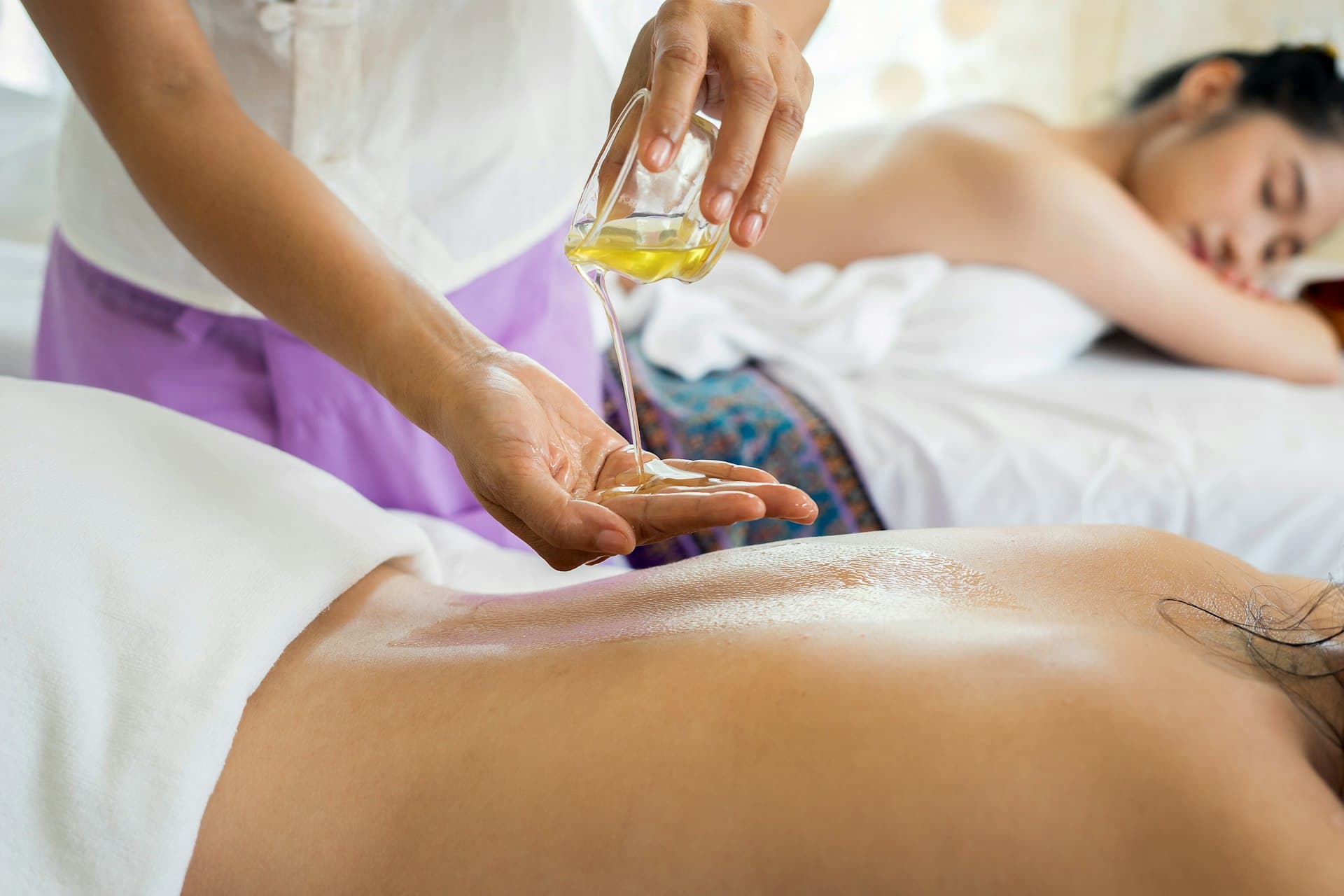
Lymphatic Drainage: The Detox Treatment of Choice for Private Wellness
Lymphatic drainage is a gentle, rhythmic massage technique that stimulates the lymphatic system to accelerate the removal of waste, excess fluid, and toxins from body tissues. Unlike conventional massage, which targets muscles and connective tissue, lymphatic drainage works on the body's secondary circulatory system—a network of vessels and nodes responsible for immune function, fluid balance, and cellular waste clearance. Luxury Spa Therapists introduces therapists trained in manual lymphatic drainage who understand both the technical precision this modality demands and the protocols required to deliver it within private environments where discretion and continuity of care define the experience.
In a private setting—whether a residence, a seasonal villa, or a superyacht mid-charter—lymphatic drainage becomes more than a single appointment. It becomes a recurring element in a broader wellness architecture, adapted to the client's travel schedule, dietary patterns, and physical demands. The treatment's subtlety is deceptive. What appears effortless at the surface involves a precise understanding of anatomy, lymphatic pathways, and the specific pressure thresholds that open lymphatic valves without collapsing them.
How Manual Lymphatic Drainage Works
The lymphatic system has no central pump. Unlike blood, which is propelled by the heart, lymph fluid relies on muscle contraction, breathing, and external stimulation to move through the body's network of vessels. When this flow stagnates—due to inactivity, travel, surgery, or inflammatory conditions—fluid accumulates in the interstitial spaces between cells, producing swelling, heaviness, and a general sense of toxicity that many clients describe as feeling "sluggish" without being able to identify why.
Manual lymphatic drainage (MLD) uses feather-light, directional strokes—typically no more than the pressure required to move a coin across a table—to stretch the walls of lymphatic vessels, stimulating their natural peristaltic contractions. The therapist follows specific anatomical pathways, beginning with the neck and central lymph nodes before working outward to the extremities. This proximal-to-distal sequence ensures that the "drainage routes" are clear before directing fluid toward them, much as one would clear a river's mouth before redirecting tributaries.
The Vodder and Leduc Methods
Two primary schools inform modern lymphatic drainage practice. The Vodder method, developed in the 1930s by Danish physiotherapists Emil and Estrid Vodder, employs stationary circular movements, rotary techniques, and pumping strokes adapted to each body region. The Leduc method refines these principles with a stronger emphasis on the specific anatomy of lymphatic watersheds—the boundaries between drainage territories that, when respected, prevent fluid from being pushed into already congested areas.
Therapists in our network are evaluated for their understanding of both approaches. The distinction matters: a practitioner who applies lymphatic drainage strokes without comprehending watershed anatomy may inadvertently worsen localized swelling rather than resolve it. This is one of the technical competencies assessed during our vetting process.
Why Lymphatic Drainage Differs from Conventional Massage
Clients accustomed to deep tissue massage or firm therapeutic work often find their first lymphatic drainage session disorienting. The pressure is so light it can seem as though nothing is happening. This is by design.
Lymphatic capillaries sit just beneath the skin's surface, embedded in the superficial fascia. They are fragile structures with one-way valves that open in response to gentle stretch and close under excessive pressure. A therapist who presses too firmly bypasses the lymphatic layer entirely and compresses the very vessels they are trying to stimulate. The treatment becomes a light Swedish massage—pleasant, perhaps, but therapeutically distinct from genuine lymphatic work.
The tempo also differs. Where a Balinese massage employs flowing, rhythmic strokes that carry a meditative quality, and deep tissue work progresses with slow, sustained pressure, lymphatic drainage operates in a pulsing rhythm—five to seven repetitions per stroke site, pausing to allow the lymphatic vessels to contract and propel fluid forward before moving to the next segment.
This specificity is why lymphatic drainage requires dedicated training beyond general massage certification. A therapist may be exceptional at reflexology or facial treatments and still lack the specialized knowledge to deliver effective MLD. Our selection standards account for this distinction, evaluating lymphatic drainage as a discrete competency rather than assuming it follows from general massage proficiency.
Who Benefits Most from Lymphatic Drainage
Frequent Travelers and Post-Flight Recovery
Air travel is one of the most common triggers for lymphatic stagnation. Cabin pressure changes, prolonged immobility, and the dehydrating effects of recirculated air conspire to slow lymphatic flow, producing the facial puffiness, ankle swelling, and general lethargy that frequent flyers know well. A lymphatic drainage session within 24 hours of landing can accelerate recovery significantly—restoring fluid balance, reducing visible swelling, and clearing the metabolic fog that jet lag compounds.
For clients who travel regularly, integrating lymphatic drainage into a post-flight wellness routine transforms recovery from a passive waiting game into an active protocol. A therapist placed within a private residence can have the treatment room prepared for arrival, delivering the session before the client has fully re-entered their daily rhythm.
Post-Surgical and Post-Procedural Recovery
Lymphatic drainage has become integral to recovery protocols following cosmetic and reconstructive surgery. Procedures such as liposuction, facelifts, rhinoplasty, and body contouring disrupt local lymphatic pathways, producing swelling that can persist for weeks or months without intervention. MLD accelerates the clearance of surgical fluid, reduces bruising, and supports tissue healing.
Surgeons increasingly recommend beginning lymphatic drainage within days of a procedure, provided the therapist has experience working with post-surgical tissue and understands the specific precautions each procedure requires. This is a context where the privacy of a home setting matters enormously—clients recovering from surgery prefer not to visit a clinic for each session, and the comfort of their own environment supports the broader healing process.
Inflammatory and Autoimmune Conditions
Clients managing conditions such as lipedema, fibromyalgia, chronic fatigue syndrome, or autoimmune disorders often find that regular lymphatic drainage provides cumulative relief. The treatment's effect on parasympathetic activation—shifting the nervous system from a sympathetic (stress) state into a restorative mode—complements its mechanical benefits. Over a course of consistent sessions, many clients report reduced pain sensitivity, improved sleep quality, and a measurable decrease in localized swelling.
Detoxification and General Wellness
Even for clients without a specific medical indication, lymphatic drainage serves as a powerful maintenance tool within a broader treatment program. The lymphatic system processes approximately three liters of fluid daily, filtering pathogens, cellular debris, and metabolic waste. Supporting this process through regular MLD is analogous to maintaining any complex system—proactive attention prevents the gradual accumulation that eventually manifests as symptoms.
The Ideal Setting for Lymphatic Drainage
Lymphatic drainage demands environmental stillness. The treatment's subtlety means that external stimulation—noise, temperature fluctuation, interruption—directly undermines the parasympathetic shift that amplifies the treatment's effectiveness. In a spa, these variables are managed imperfectly. In a private setting, they can be controlled with precision.
A dedicated treatment space within a villa or residence allows the therapist to maintain consistent room temperature (slightly warm, as lymphatic flow improves with gentle heat), diffuse appropriate essential oils (grapefruit, cypress, and juniper are traditionally associated with lymphatic support), and ensure absolute quiet. The client can rest afterward without the prompt to vacate a treatment room for the next booking.
On a superyacht, lymphatic drainage integrates naturally into the rhythm of a charter day. A morning session before the first activity clears overnight fluid retention. An afternoon session after a day of sun and salt water restores hydration balance. The onboard therapist, familiar with the client's patterns and preferences, adjusts each session to the day's specific circumstances—a responsiveness impossible in any commercial setting.
Duration, Frequency, and Treatment Progression
A standard lymphatic drainage session runs 60 to 90 minutes. The longer format allows the therapist to address the full body systematically—beginning with the neck and torso, moving through the arms and legs, and returning to areas of particular congestion for additional passes.
For general wellness maintenance, one session per week sustains lymphatic efficiency and prevents the gradual fluid accumulation that produces the sense of heaviness many clients accept as normal. For post-surgical recovery, sessions may be prescribed two to three times per week during the initial healing phase, tapering as swelling resolves. For acute situations—severe jet lag, post-event recovery, or flare-ups of inflammatory conditions—a focused session can deliver noticeable improvement within hours.
The progressive nature of lymphatic drainage is one of its defining characteristics. Unlike a body scrub, which delivers immediate, tactile results, MLD builds over a series of sessions. The lymphatic system becomes more responsive to stimulation with consistent treatment. Clients who receive regular sessions often find that their baseline fluid balance improves, their immune response strengthens, and the interval between sessions can gradually extend as the system functions more efficiently on its own.
Combining Lymphatic Drainage with Other Modalities
Lymphatic drainage pairs naturally with several other treatments, and sequencing matters.
A facial treatment preceded by facial lymphatic drainage achieves noticeably better results. By clearing fluid from the facial tissues before applying active serums and masks, the skin's absorption capacity increases, and puffiness is resolved before the aesthetic treatment begins. Many of the therapists in our network integrate MLD techniques into their facial protocols as a matter of course.
Following a deep tissue or sports recovery session, a shorter lymphatic drainage treatment helps clear the metabolic waste released during intense bodywork. This combination reduces post-massage soreness and accelerates recovery—a protocol particularly valued by clients who maintain high-performance training schedules.
Balinese massage, with its long, flowing strokes and moderate pressure, serves as a complement on days when the client seeks relaxation alongside lymphatic support. A skilled therapist can weave gentle lymphatic techniques into a Balinese session, creating a hybrid treatment that addresses both the muscular and fluid systems in a single appointment.
Finding a Qualified Lymphatic Drainage Practitioner
The gap between a therapist who has attended a weekend workshop on lymphatic drainage and one who has completed a comprehensive MLD certification is significant. Genuine proficiency requires a minimum of 135 hours of dedicated training—covering lymphatic anatomy, pathology, contraindications, and supervised clinical practice. Certifications from the Dr. Vodder School, the Leduc School, or the Academy of Lymphatic Studies represent the recognized standard.
Our placement process verifies these credentials directly, but credentials alone do not determine placement. The practical assessment evaluates whether the therapist can maintain the feather-light pressure consistently across a full session—a challenge that requires not just knowledge but physical discipline. Many therapists unconsciously increase pressure as they work, defaulting to patterns learned in deeper modalities. The ones who maintain true lymphatic pressure throughout demonstrate a level of body awareness and control that translates into consistently effective treatment.
For clients considering a therapist placement that includes lymphatic drainage among the required modalities, our team can clarify the vetting criteria specific to MLD and ensure that the shortlisted candidates have demonstrated competency through hands-on evaluation, not certification paperwork alone.
Explore your options with us for integrating lymphatic drainage into your private wellness program. Inquire via WhatsApp or learn about our selection standards to understand how we assess lymphatic drainage proficiency.
Frequently Asked Questions
What does lymphatic drainage feel like during the session?
Lymphatic drainage feels remarkably gentle—far lighter than most clients expect. The pressure is comparable to the weight of a resting hand. Many people experience deep relaxation during the session, and it is common to fall asleep. Afterward, there is typically a feeling of lightness and reduced puffiness. Some clients notice increased urination in the hours following treatment as the body processes the mobilized fluid. Therapists placed through Luxury Spa Therapists explain these responses during the intake consultation so that clients know what to anticipate.
How quickly will I see results from lymphatic drainage?
Visible changes—particularly reduction in facial puffiness and ankle swelling—often appear within hours of the first session. Systemic benefits such as improved energy, better sleep, and enhanced immune function typically emerge over a series of four to six weekly sessions. Post-surgical clients often notice dramatic swelling reduction after two to three treatments. The timeline varies based on individual physiology and the specific concern being addressed.
Is lymphatic drainage safe after cosmetic surgery?
When performed by a trained therapist, lymphatic drainage is one of the most recommended post-surgical treatments for procedures including liposuction, facelifts, and body contouring. The treatment accelerates fluid clearance, reduces bruising, and supports tissue healing. However, timing and technique must align with the surgeon's protocol—typically beginning three to five days post-procedure, depending on the surgery. Your therapist should coordinate with your surgical team to ensure appropriate timing and focus areas.
Can lymphatic drainage help with water retention during travel?
This is one of lymphatic drainage's most practical applications. The combination of cabin pressure changes, immobility, and dehydration during air travel causes significant lymphatic stagnation. A session within 24 hours of landing can restore fluid balance, reduce visible swelling in the face and extremities, and accelerate recovery from jet lag. Clients with a dedicated private residence therapist often schedule sessions to coincide with their arrival, making post-flight recovery part of a structured protocol.
How does lymphatic drainage differ from body brushing or compression therapy?
Dry body brushing stimulates surface circulation and provides gentle exfoliation but does not engage the deeper lymphatic vessels with the specificity of manual drainage. Pneumatic compression devices apply sequential pressure to the limbs, which can support lymphatic flow but lacks the therapist's ability to assess tissue response and adapt in real time. Manual lymphatic drainage combines anatomical precision with responsive touch—the therapist feels the rhythm of the lymphatic pulse and adjusts their technique accordingly. These modalities can complement each other, but MLD remains the clinical standard for targeted lymphatic support.
Are there conditions where lymphatic drainage should be avoided?
Lymphatic drainage is contraindicated in cases of active infection, untreated congestive heart failure, acute deep vein thrombosis, and active malignancy (unless specifically cleared by the treating oncologist). Clients with kidney disease should consult their physician before beginning treatment, as the mobilization of fluid increases renal processing demands. A thorough health intake—standard for every therapist introduced through our placement process—identifies these contraindications before any treatment begins.
What qualifications should a lymphatic drainage therapist hold?
Genuine lymphatic drainage competency requires specialized certification beyond standard massage training—a minimum of 135 hours of dedicated MLD coursework from a recognized institution such as the Dr. Vodder School or the Leduc School. Our selection process verifies these credentials and supplements them with a practical assessment, because maintaining the precise, feather-light pressure that lymphatic drainage demands across a full 90-minute session is a skill that credentials alone cannot guarantee. Contact us to discuss the specific qualifications of therapists in our network.
For a confidential consultation about lymphatic drainage in your private wellness program, contact us or connect via WhatsApp at +9613880808.
Connect with our placement team to find the right specialist for your wellness needs.